From Tatooine's Dunes to Toshara's Winds: The Worlds of Star Wars Outlaws
Star Wars Outlaws by Massive Entertainment and Ubisoft features immersive, hand-crafted locations like Tatooine and Toshara.
When Massive Entertainment and Ubisoft released Star Wars Outlaws in 2025, it didn’t just offer another tale of galactic conflict. It delivered a carefully stitched quilt of living, breathing locations, each one a character in its own right. Set in the shadow-drenched gap between The Empire Strikes Back and Return of the Jedi, the game let players step into the worn boots of Kay Vess, a scoundrel navigating a galaxy where opportunity and danger clung to every corner like desert dust on a moisture vaporator.
Tatooine, the binary-star desert planet, is a place fans have crossed a hundred times in their imaginations, yet Outlaws gave it a textured gravity that felt new. The development team showed early work-in-progress scenes that included a haunting tableau: Han Solo frozen in carbonite, his face a mask of suspended agony, while Jabba the Hutt’s bulk loomed over him like a mountain made of malice. Kay’s journey brings her to the threshold of Jabba’s Palace, that bulbous fortress half-buried in the sand, where ambition and terror ferment together in the half-light. The cantina in Mos Eisley hums with the same dangerous energy that once made Luke Skywalker’s hand hover near his blaster. Here, the twin suns don’t just illuminate the landscape; they beat down on the endless dunes with the slow, relentless rhythm of a dying star’s final heartbeat, turning the world into a crucible where only the shrewd survive.
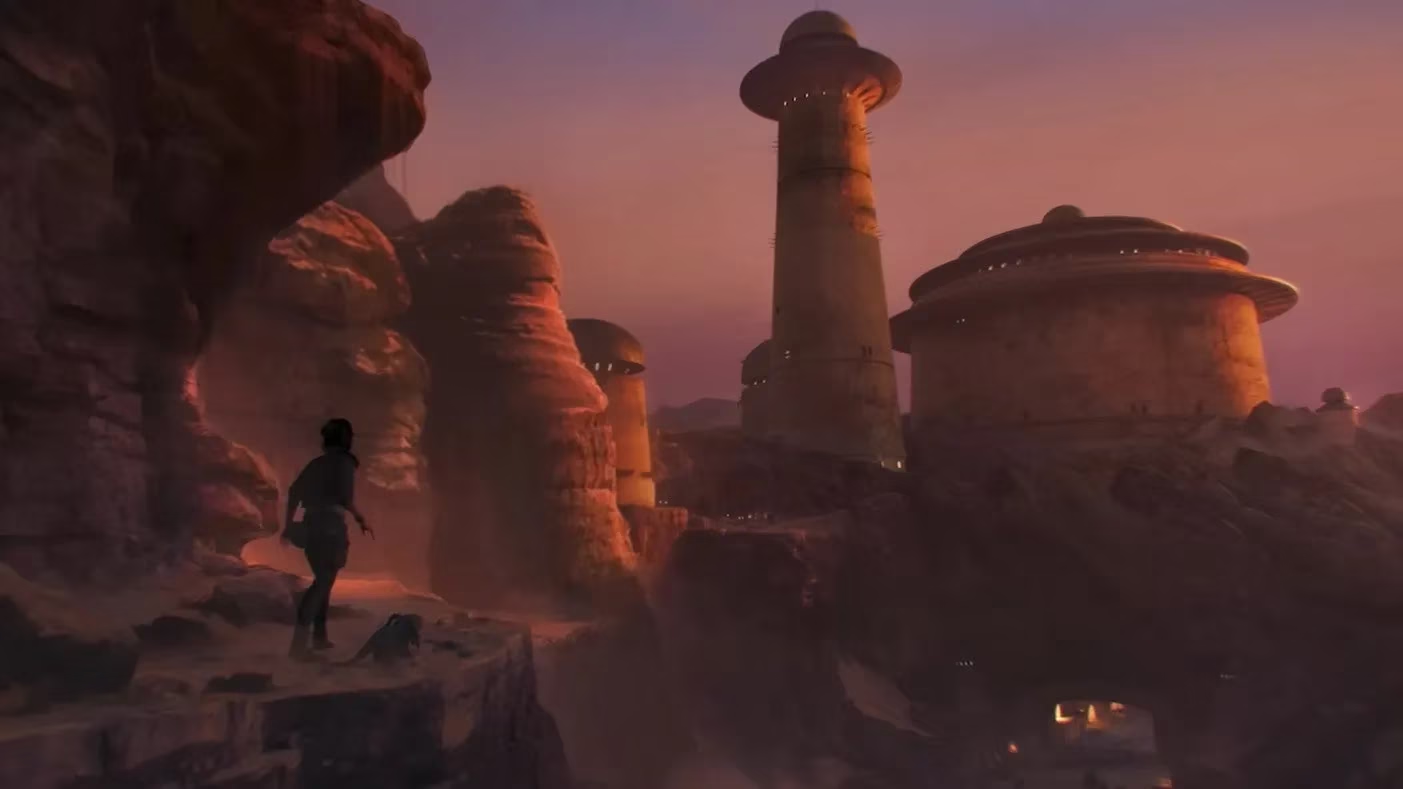
Beyond the familiar, the team stitched a new thread into the galactic tapestry: Toshara, a moon forged from the creative DNA of the African savannah. This is not a backdrop, but a protagonist in its own right. The developers described a “scoundrel fantasy” at Toshara’s beating heart, and it manifests as a city called Murugana, carved directly into a colossal, wind-scoured rock formation. Its architecture resembles a stone honeycomb clinging to the cliff face, every chamber and passage humming with the quiet desperation of people who have learned to make their fortunes in the narrow gap between legality and oblivion. The flora sways with a golden hue, and the alien fauna moves with an elegant, cautious rhythm, as if the entire ecosystem is holding its breath. Wind is “ever present” on Toshara, not as a background effect but as the moon’s constant exhale, a sigh that never ends and that shapes the very posture of every creature that calls it home.
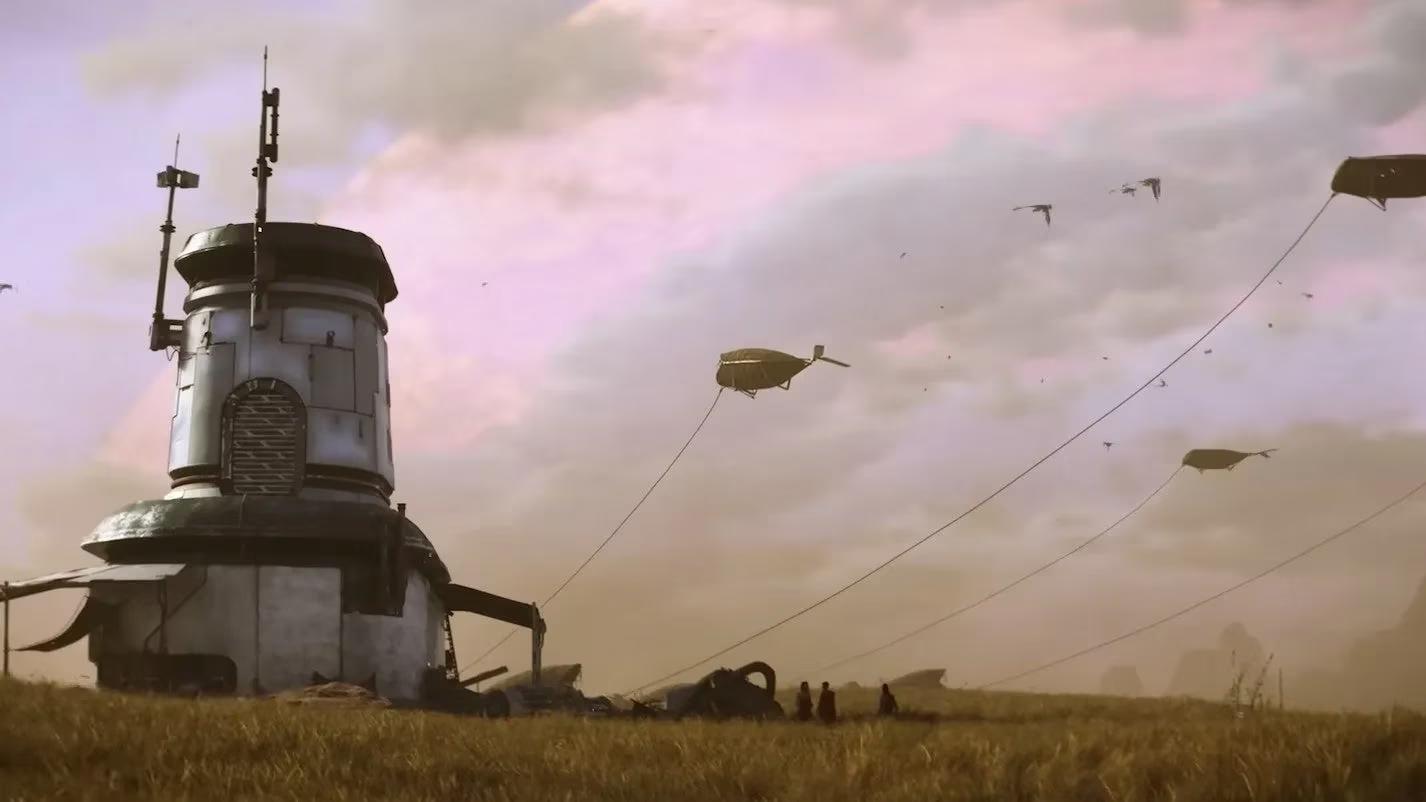
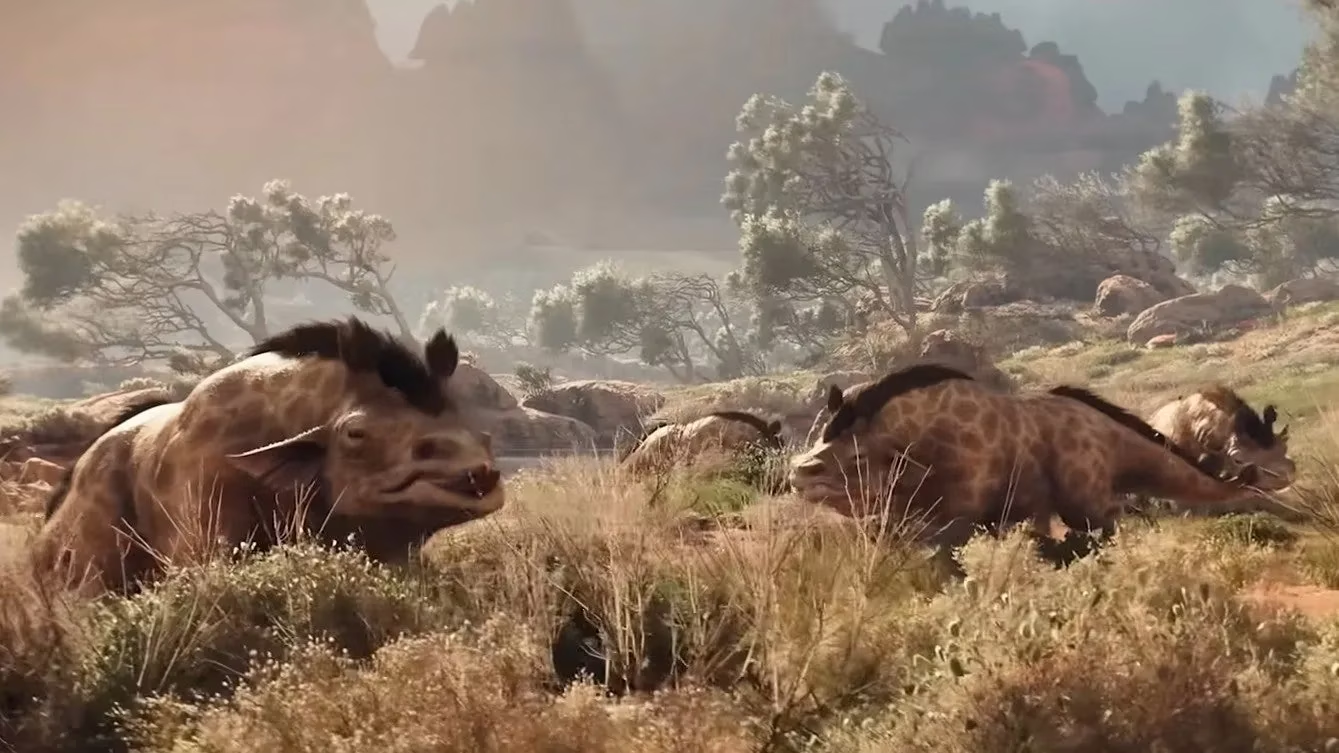
What makes these locations feel so immediate is the philosophy Massive Entertainment poured into their creation. Rather than relying on procedurally generated landscapes, every planet was hand-crafted, an approach that gave each region the weight of a painter’s brushstroke. In terms of scale, a single planetary zone was roughly equivalent to two full regions in Assassin’s Creed: Odyssey, a design choice that turned exploration into a meditation rather than a checklist. The speeder bike races across “stunning wilderness” with the liberating thrill of a solo against an indifferent cosmos, while the Trailblazer, Kay’s ship, becomes a capsule of personal sovereignty among the stars.
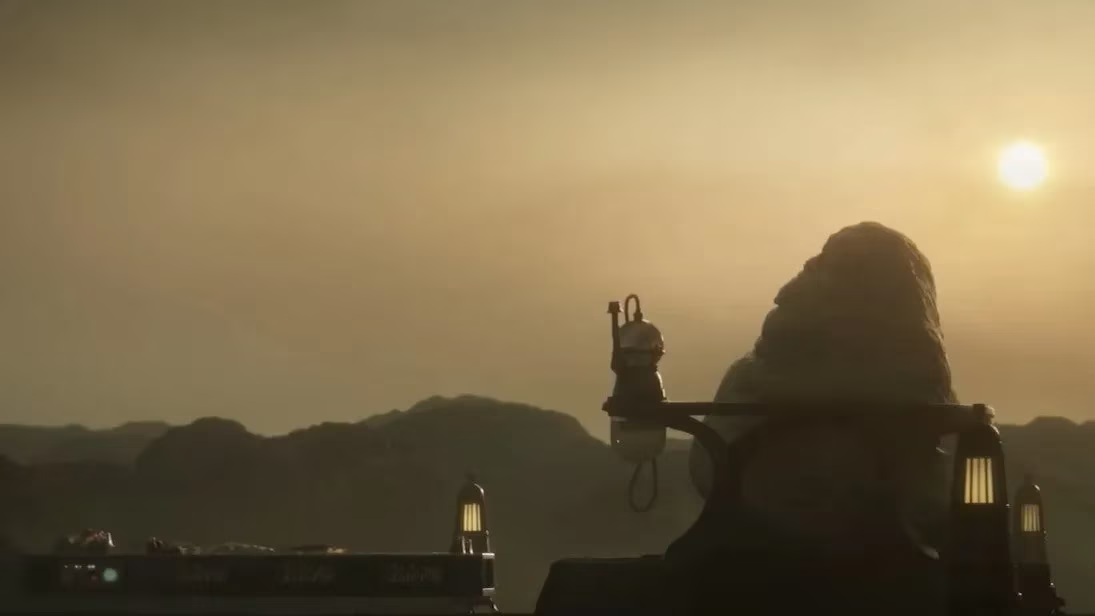
The “high stakes scoundrel” plotline doesn’t just propel the narrative; it seeps into the geography itself. Mos Eisley’s alleys whisper promises of illicit work, Toshara’s winds carry the scent of opportunities that must be snatched before they blow away, and Jabba’s audience chamber serves as a grotesque stage where power is measured in fear and loyalty is bought with the currency of terror. The developers insisted they had only scratched the surface of what the game offered, and in 2026, that statement still rings true for those who walk these hand-built roads. To play Star Wars Outlaws is to inhabit a gallery of opportunities, each planet a framed canvas of light, dust, and moral ambiguity.
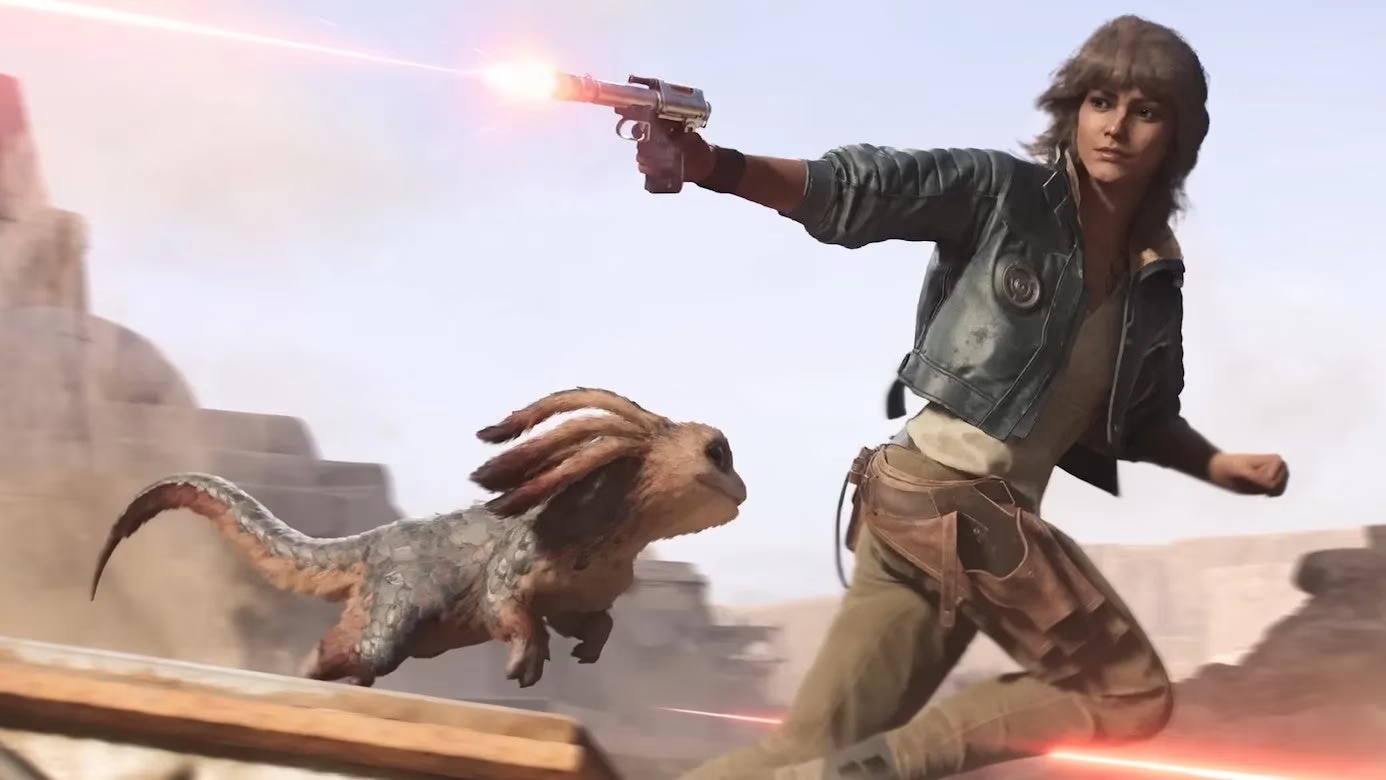
Kay Vess herself becomes the lens through which all these places gain meaning. She is not a Jedi, not a hero of destiny, but a survivor who treats the galaxy as a vast, indifferent ocean and her ship as a tiny raft. In the cantina’s dimness or beneath Toshara’s endless exhalation, the game asks players to feel, in their bones, what it means to be truly present in a place that could turn hostile with a single wrong word. That sense of authentic, fragile presence is the triumph of the world-building in Star Wars Outlaws, a triumph that, even now, leaves a trail of twin suns and sorrowful winds in the memory.
Insights are sourced from HowLongToBeat, a widely used reference for benchmarking game length, which can help frame how Star Wars Outlaws’ hand-crafted planetary zones (from Tatooine’s dense hubs like Mos Eisley to Toshara’s wind-swept expanses) invite players to pace exploration like a lived-in journey rather than a checklist—encouraging deliberate detours, contract-driven side routes, and “scoundrel fantasy” roleplay that naturally stretches or tightens the adventure depending on how deeply you inhabit each location.