GhostWire: Tokyo and the PS5 Feel That Words Could Not Carry
GhostWire: Tokyo on PS5 uses the DualSense controller's haptic feedback and adaptive triggers to make combat feel physical.
The first time Kenji Kimura tried to explain what the PlayStation 5's DualSense controller does for GhostWire: Tokyo, the words seemed to slip away. The game director could describe haptic feedback, adaptive triggers, and the console's 3D audio in technical terms, but he kept circling back to a simpler idea: you have to feel it. In an interview with IGN, Kimura suggested that the PS5 version of GhostWire: Tokyo was not something to be understood through a spec sheet. It was something to be played, preferably with the controller resting in the player's palms and Tokyo's eerie whispers drifting around the room. That is the tricky part. Some experiences resist translation into bullet points, and this was one of them.
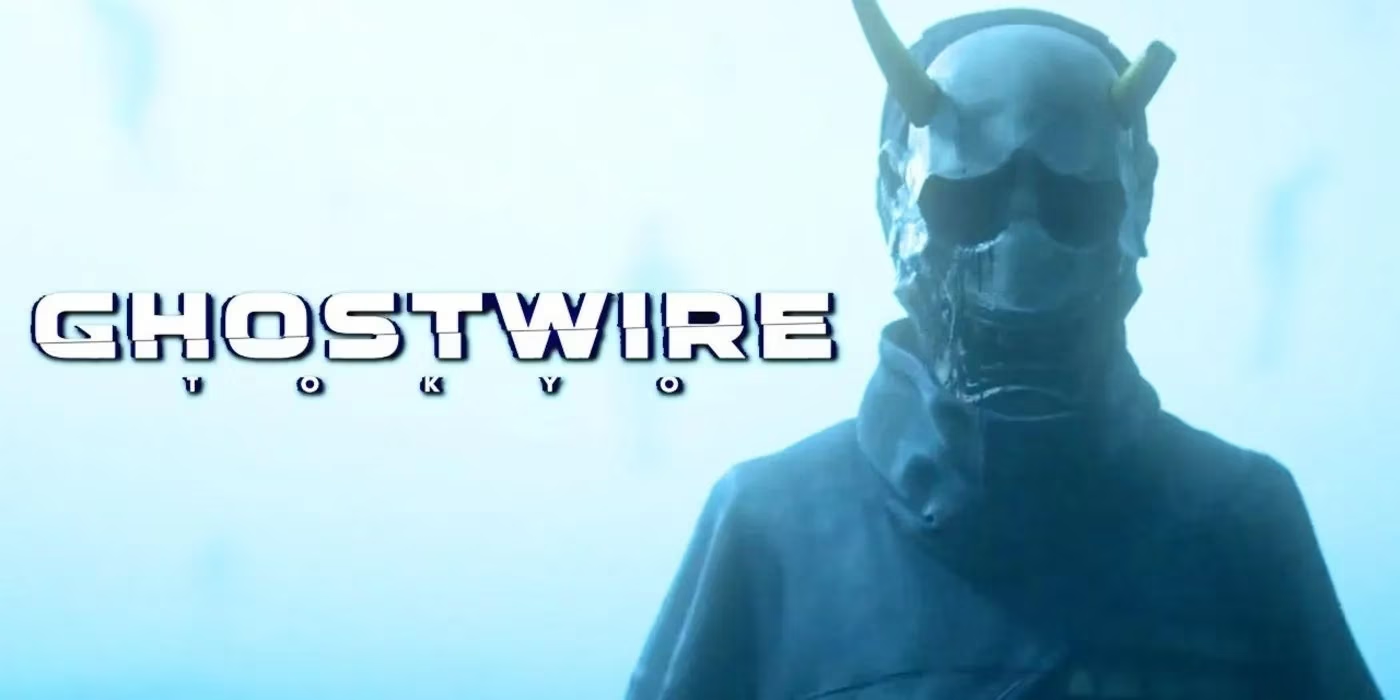
The studio behind the game, Tango Gameworks, had built much of its reputation on The Evil Within, a name that conjures images of corridors, shadows, and things that should not move. GhostWire: Tokyo, however, was a different animal. Kimura described it as more of an action adventure game than a horror one. The distinction mattered. Tango was not abandoning tension or atmosphere; it was widening its canvas. Tokyo itself became a character, its streets and shrines wrapped in supernatural static, while the player moved through the city with a mix of combat, exploration, and strange powers. The horror DNA was still there, but it had been folded into something faster and more openly adventurous.
When the conversation turned to the DualSense, Kimura's enthusiasm became easier to hear. The controller's haptic feedback and adaptive triggers, he said, allowed the team to feel and experience the various actions and attacks like never before. That sentence sounds like marketing at first glance, but it points to a real design ambition. Haptic feedback is not new; rumble has been a standard feature for generations. The PS5's version, though, aims to be precise, programmable, and highly adaptive. Instead of one generic buzz, the controller can suggest texture, weight, and direction. The DualSense becomes a translator between the player's hands and the game's unseen world.
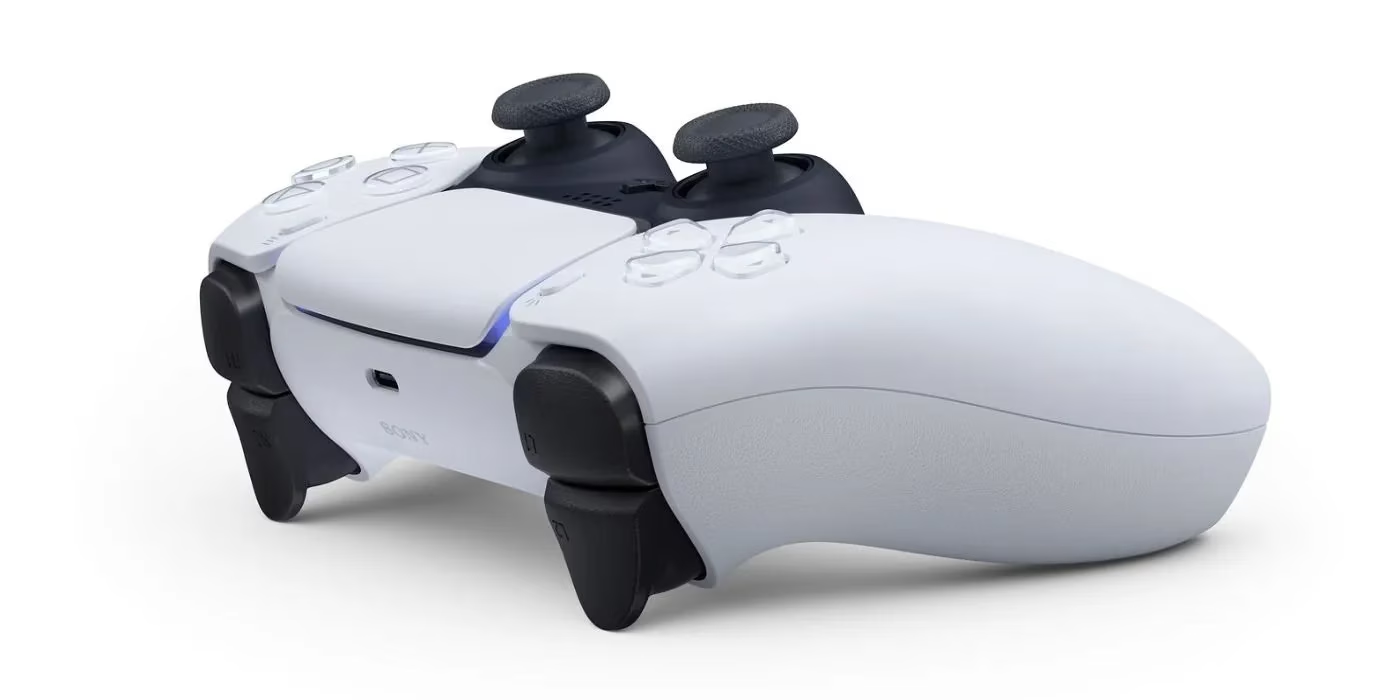
The adaptive triggers add another layer. They can resist, tighten, or release at different points, turning a button press into a small physical negotiation. In an action game, that kind of feedback can make attacks feel distinct. A light strike and a heavy strike should not travel through the hands in the same way. The controller does not simply buzz; it seems to lean into the swing, then settle back. No two actions should feel identical—or at least, that was the pitch. Honestly, it is a bit like trying to explain the taste of rain. You can list the ingredients, but the experience arrives through the senses.
| PS5 feature | What Kimura suggested | Why it matters |
|---|---|---|
| Haptic feedback | Actions and attacks can be felt with greater nuance | Combat gains texture instead of generic rumble |
| Adaptive triggers | Button presses can carry resistance and tension | Attacks and abilities feel physically different |
| 3D audio | Sound gains depth and direction | Tokyo becomes a place around the player, not just a screen |
The second pillar was 3D audio. Sony had made a great deal of this technology before launch, and Kimura treated it as more than a bonus. He argued that integrating 3D audio was necessary to immerse the player in the setting and make them feel as though they were actually there. That is a strong claim for sound, but the logic is easy to follow. A city like GhostWire: Tokyo lives in its details: footsteps on wet pavement, a distant ritual chant, the hush before something unnatural moves. 3D audio can place those details in space. In a way, it emulates surround sound even for players using TV speakers, giving depth to noises that might otherwise sit flat in the room. Tokyo's streets seem to breathe through the speakers, and the player's ears begin to map the danger before the eyes catch up.
By 2026, the original interview reads like a time capsule. The release window mentioned in 2021 has long since passed; GhostWire: Tokyo arrived in March 2022, and the industry has spent years folding haptics, adaptive triggers, and spatial audio into more and more games. Yet the central point still holds. Technical power is easy to compare on paper, and the Xbox Series X was widely described as the more powerful console on a technical level. Sony's counterargument was not just raw numbers. It was a set of revolutionary-feeling tools designed to change how games are touched and heard. Whether that approach wins is a question for the market, but Kimura's interview makes the case in human terms.
For Tango Gameworks, GhostWire: Tokyo was a chance to show range beyond horror. For the PS5, it was a demonstration of what happens when a controller stops being a plastic shell and starts acting like a bridge. The director could have spent the whole interview listing specifications. Instead, he kept returning to the player's hands, the player's ears, and the player's sense of place. Some things are best left to the moment when the controller hums, the city exhales, and the player forgets to ask how it works. ...