Ghostwire: Tokyo Blends Ancient Yokai With Modern Internet Horrors
Ghostwire: Tokyo blends supernatural action-horror with Japanese ghost stories and Yokai, turning Tokyo into a hand-seal magic counterattack.
Ghostwire: Tokyo is one of those games that sounds like a fever dream on paper: a supernatural action-horror title from Tango Gameworks, the studio behind The Evil Within series, set in a Tokyo emptied of 99% of its population and overrun by spirits. Back when the game was first shown, the pitch was simple and strange. The hero would not run from the unknown; the tagline put it bluntly: 'Don't fear the unknown: attack it.' In 2026, that premise is no longer a trailer promise. The game launched in 2022 for PlayStation 5 and PC and later arrived on Xbox Series X/S in 2023, but its central idea remains just as compelling: blend ancient Japanese ghost stories with modern internet folklore and let players fight back with hand-seal magic.
A Tokyo That Feels Empty and Wrong
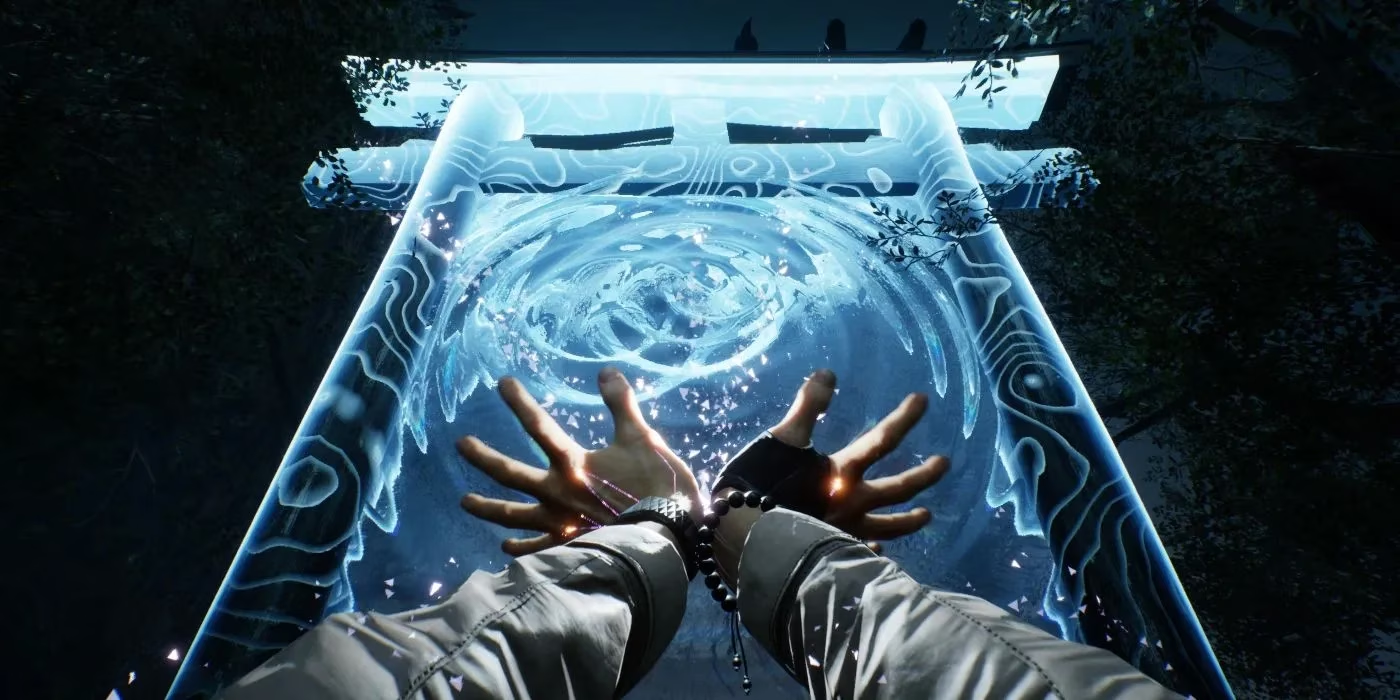
Tango Gameworks has a reputation for designing creatures that are creepy in a very specific way. The studio's survival-horror work in The Evil Within games drew on strange visual ingredients such as barbed wire, wax, safes, and cameras, turning ordinary objects into symbolic and uncanny monsters. Ghostwire: Tokyo keeps that eye for the bizarre, but it changes the emotional register. Instead of pushing players to flee, the game wants them to turn the tables. It is still horror, but it is horror with a counterattack. The protagonist ventures through gateways into supernatural realms, exorcises spirits, and casts spells through hand seals inspired by Daoist and Shinto religious gestures. The result is a neon-and-chrome Tokyo where legendary demons and modern-day terrors share the same foggy streets.
The setup is also a neat mystery box. A supernatural calamity has emptied Tokyo, filled the streets with monsters, and caused almost everyone to disappear. The protagonist wants to solve that mystery. That structure gives the game room to move between quiet, abandoned streets and loud, spectral combat. It also lets the monster design do double duty. Some creatures look like they stepped out of old scroll paintings. Others look like they crawled out of a forum thread at 3 a.m.
Yokai in the Neon Fog
Japanese culture is filled with stories of Yūrei ghosts and demonic Yokai, supernatural beings frequently depicted in paintings and art scrolls of the Hyakki Yagyō, also known as 'The Night Parade of a Hundred Demons.' Several entities in the Ghostwire: Tokyo trailers seem to be modeled directly after creatures from that tradition. The ghost-women with long, stringy black hair resemble Onryō, the vengeful spirits of young women and a major inspiration for the ghosts in The Ring horror films. The mysterious faction of sky-diving hooligans wear Hannya masks from Noh theater, masks designed to resemble the faces of jealous demons.
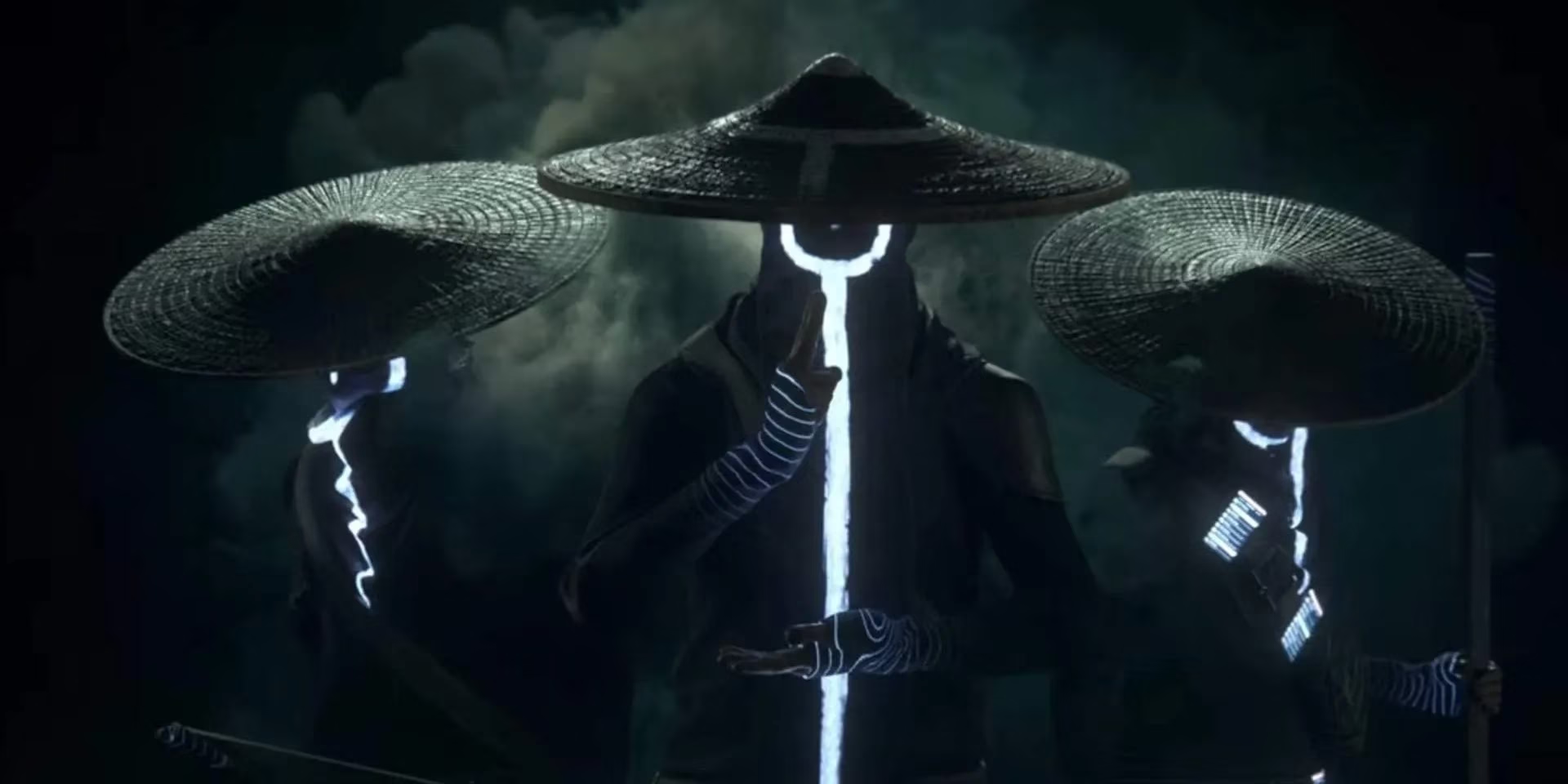
That folkloric layer matters because it gives the game a visual language that feels older than the medium. A long-haired ghost is not just a spooky design; it is a cultural shorthand. A Hannya mask is not just a creepy face; it carries theatrical history and emotional weight. When those images appear in a modern city, surrounded by signs and screens, they become stranger again. The old horror does not stay in the old world. It adapts.
| Trailer creature | Folkloric or internet echo | Why it works |
|---|---|---|
| Long-haired ghost women | Onryō, vengeful spirits | 👻 A classic Japanese horror image that remains instantly unsettling |
| Masked sky-diving thugs | Hannya masks from Noh theater | 🎭 Jealousy and demonic rage become a gang aesthetic |
| Faceless umbrella humanoids | Slender Man-style internet horror | ☂️ A modern creepypasta silhouette in a city of old ghosts |
| Headless school-uniform ghosts | Modern Japanese school ghost stories | 🏫 Familiar settings make the supernatural feel personal |
| Cardboard-box spirits | Urban-legend weirdness | 📦 Junk and everyday objects become uncanny |
Internet Horror and Creepypasta
The other monsters seen in the Ghostwire: Tokyo trailers seem to draw from more contemporary monster myths and urban legends, spread through word of mouth, internet memes, and creepypasta horror stories. The faceless humanoids with umbrellas, for instance, bear a strong resemblance to Slender Man, the faceless, tendril-armed antagonist of numerous online horror stories, an eldritch creature that pursues people who learn too much about it. Other entities in the trailer, such as the headless ghosts in Japanese school uniforms and the ghosts made out of cardboard boxes, are harder to identify, but they may have been inspired by modern ghost stories shared between Japanese students and online communities. Stories like Kuchisake-onna, a vengeful spirit with a mutilated mouth, or the Kotoribako internet myth, in which a cursed puzzle box brings death to all who open it, show how folklore keeps mutating.
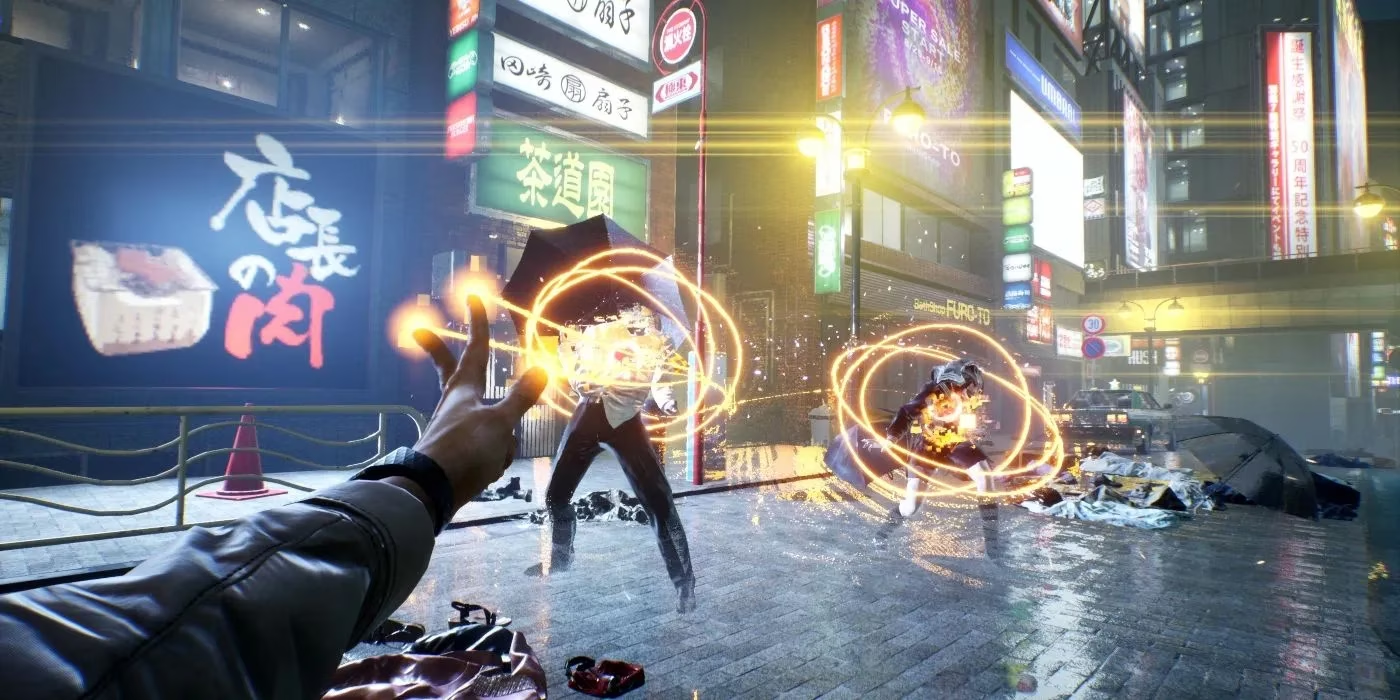
There is another intriguing detail in the gameplay footage. Whenever the protagonist blasts apart a spectral enemy, the defeated spirit starts to dissolve into pixelated chunks. In one scene, the protagonist makes a spellcasting gesture toward a computer server, and the screen grows cluttered with Matrix-style computer code symbols. Does that hint at a plot twist where all the ghosts have a scientific origin? Or could the ghosts be the product of magic fused with computer science, a techno-magical disaster that brought the urban legends of modern Tokyo to life? Either way, the exorcist hero has plenty of work to do.
Why the Mashup Still Matters
So, what does that leave players with in 2026? A game that treats folklore as a living system rather than a museum exhibit. Ghostwire: Tokyo is not just borrowing Yokai for atmosphere. It is asking what happens when ancient spirits, internet memes, and city anxiety all occupy the same space. The charm of the game lies in how it blends modern and ancient horror stories together, as its mystical protagonist fights legendary demons in a neon-and-chrome Tokyo that has its own share of modern-day terrors. Tango Gameworks built its reputation on creepy creature design, and Ghostwire: Tokyo uses that skill for something more action-packed. The monsters are still warped and unsettling, but the player is not helpless. That shift is the hook. The unknown is frightening, sure. But in this version of Tokyo, the better question is whether the unknown is ready for the fight. 🔮