GhostWire: Tokyo – Not a Horror Game, But Still Creepy as Hell
GhostWire: Tokyo blends action-adventure combat with eerie Japanese folklore, delivering atmospheric thrills instead of traditional survival horror.
I still remember the first time I saw the gameplay reveal for GhostWire: Tokyo during that PS5 event back in 2020. Headless schoolgirls, a shadowy apparition with spidery black hair, and the name Shinji Mikami attached as executive producer—I was convinced this was going to be the next great survival horror. I mean, the man behind Resident Evil and The Evil Within was involved. How could it not be?
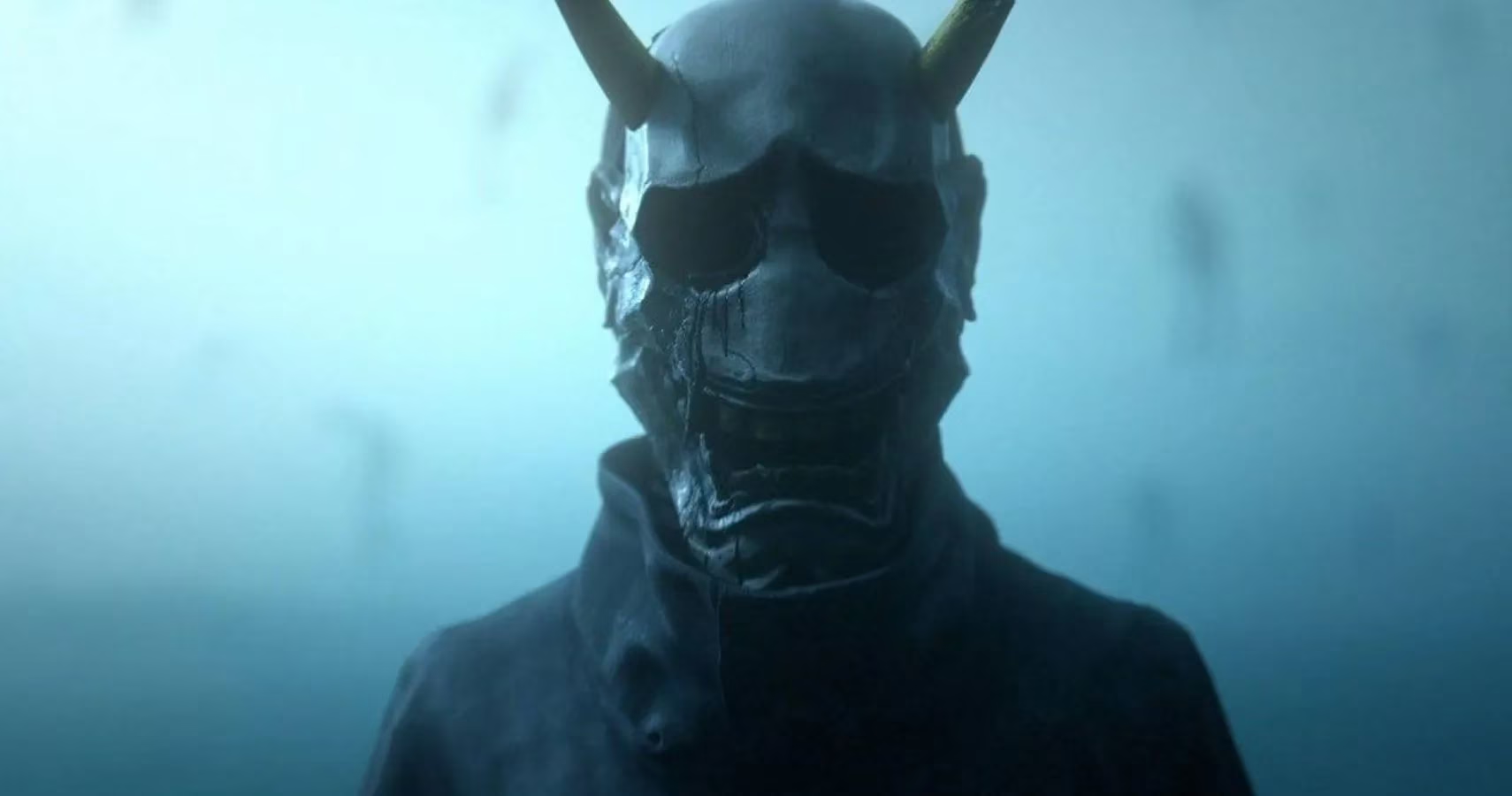
So when I read the IGN interview with creative director Kenji Kimura, I had to do a double-take. GhostWire: Tokyo is officially an action-adventure game, not a horror game. Kimura was pretty clear: “There are elements of survival, but not elements that one would expect in the horror genre.” My horror-loving heart sank a little, I won’t lie. But then he added something that pulled me right back in—the game would still be packed with “mysterious and spooky elements based on Japanese Yokai folklore, fables, urban legends and famous scary stories.” Okay, so not a pure horror, but definitely not a walk in the park either.
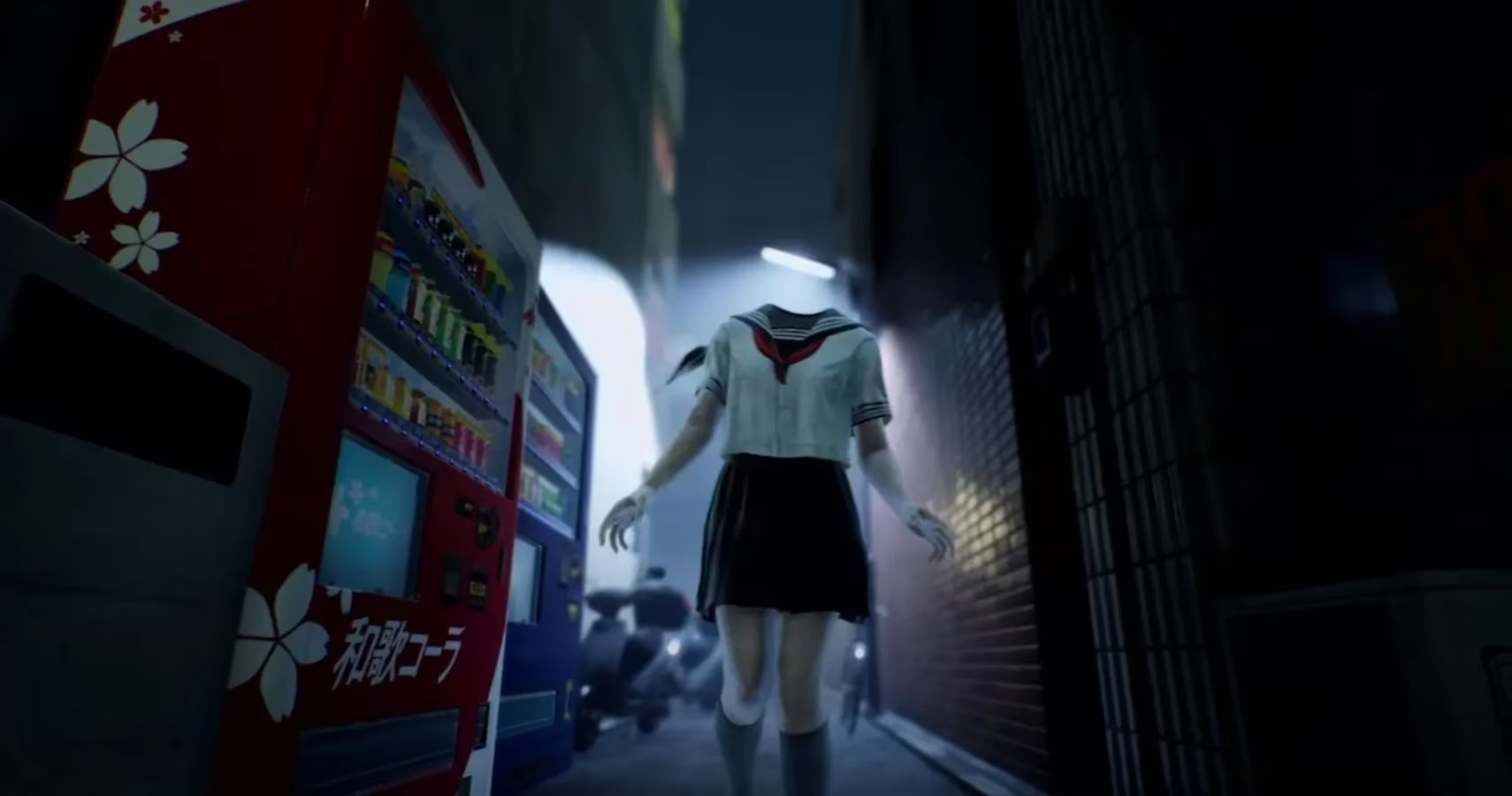
Looking back now in 2026, with the game having been out for a few years, I can say Kimura’s description was spot on. It’s an action-adventure through and through, but the atmosphere is thick with dread and weirdness. The setting—a haunted, fog-shrouded Tokyo—does a lot of heavy lifting. You’re not running from a chainsaw-wielding maniac; you’re unraveling supernatural mysteries, fighting spirits with elemental powers, and exploring a city that feels like it’s been pulled straight out of a ghost story. The Yokai inspiration is everywhere, from the enemies you encounter to the side quests you stumble upon. It’s spooky, but it’s also a power fantasy.
Here’s how I’d break down the shift from horror expectations to action-adventure reality:
| What I Expected (Horror) | What We Got (Action-Adventure) |
|---|---|
| Relentless pursuit, scarce ammo | Fluid combat with supernatural abilities |
| Jump scares and gore | Atmospheric tension and eerie folklore |
| Linear, claustrophobic levels | Open-ish city exploration with verticality |
| Feeling powerless | Feeling like a badass exorcist |
That’s not to say there aren’t creepy moments. The headless schoolgirls? Still unsettling. The black-haired apparition? Still gives me chills. But the game wants you to fight back, not just survive. And honestly, after years of survival horror fatigue, that felt refreshing.
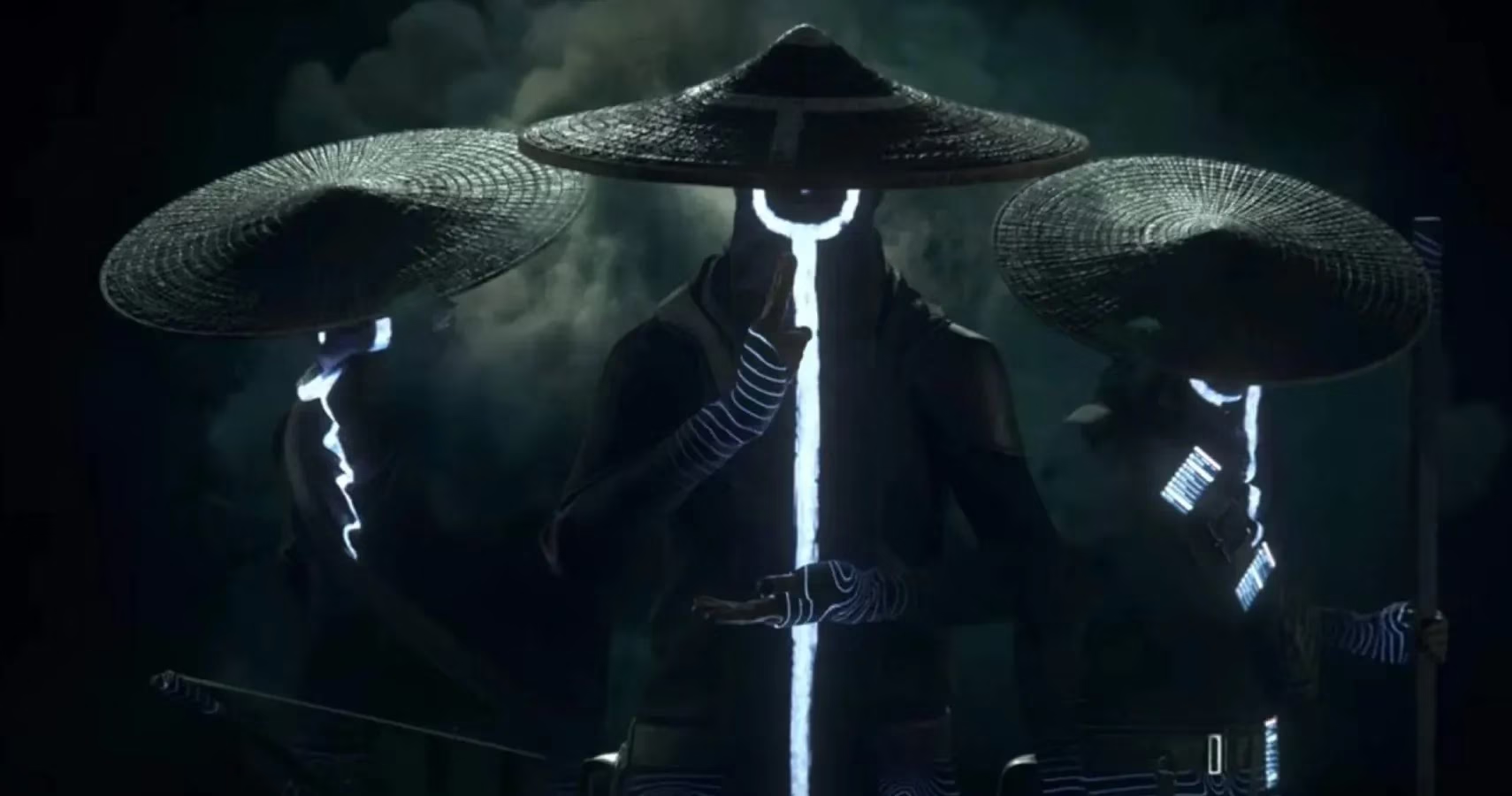
So why did so many of us—myself included—initially misread the genre? I think it’s because we wanted it to be horror. Mikami’s name alone is enough to set expectations. Plus, the early trailers leaned hard into the creepy imagery. But as Kimura pointed out, the focus was always on action-adventure. The survival elements are there, but they’re not the core. It’s more about mastering your ethereal powers and cleansing the city than managing a health bar and hiding in lockers.
In 2026, I can appreciate GhostWire: Tokyo for what it is: a stylish, supernatural action game with a rich cultural backdrop. It’s not The Evil Within 3, and that’s okay. It’s a different kind of spooky—one that makes you feel like a paranormal investigator with a serious upgrade. If you’ve been holding off because you thought it was too scary, give it a shot. And if you’re a horror purist still nursing that disappointment? Well, the Yokai are waiting, and they’re more fascinating than frightening. 👻🎮
Would I have loved a full-on survival horror from Tango Gameworks? Sure. But GhostWire: Tokyo carved its own niche, and after all these years, I’m still happy to dive back into its haunted streets.