Star Wars Outlaws in 2026: Handcrafted Planets, Focused Scope, and the Fear of Empty Space
Star Wars Outlaws blends open-world scale with handcrafted planets, favoring density and focused action-adventure pacing over empty size.
When I first saw the sprawling planets of Star Wars Outlaws, I felt the same mix of excitement and skepticism that many open-world fans did. Here was Ubisoft, a studio with decades of experience in expansive RPGs such as Assassin's Creed and Far Cry, building one of the most anticipated games of 2024. The promise was huge: multiple planets to explore, a scoundrel fantasy, and a handcrafted approach rather than the procedural terrain of Bethesda's Starfield. Yet the moment I heard each planet could be roughly two to three times the size of a zone in Assassin's Creed: Odyssey, my mind went straight to the familiar worry: would these locations feel bloated and empty? Looking back from 2026, after the game's 2024 launch, that debate remains a useful lens for understanding modern open-world design.
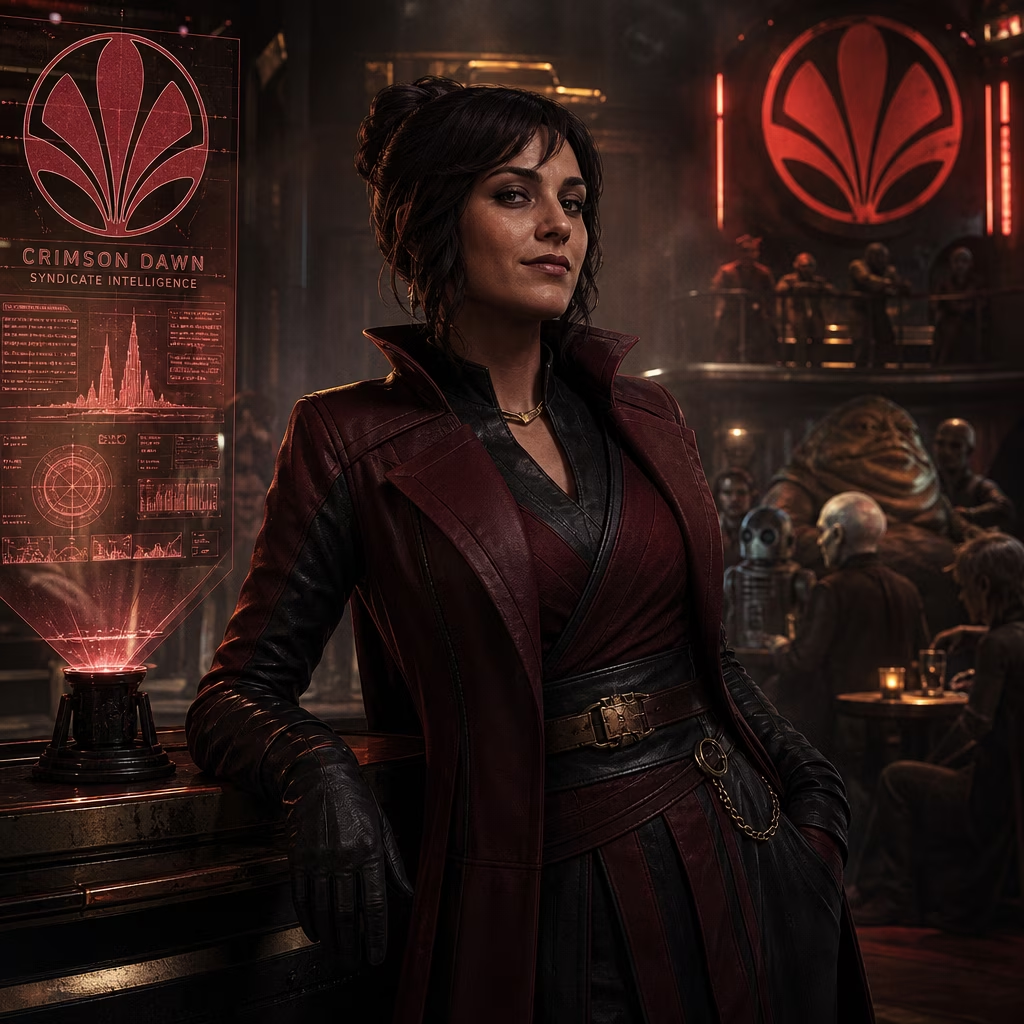
The Scale Conversation That Refused to Stay Small
I remember how quickly the size comparison became a lightning rod. On paper, two to three times an Odyssey zone sounds enormous. For some players, that was a promise of freedom; for others, it was a warning sign. We have all played games where a beautiful map stretches for miles but offers little more than repeated outposts, empty hills, and collectible clutter. I was not worried about whether Star Wars Outlaws would have enough square footage. I was worried about whether that footage would have enough soul.
During a San Diego Comic-Con conversation, creative director Julian Gerighty and narrative director Navid Khavari addressed that exact anxiety. Their answer was refreshingly direct: Star Wars Outlaws is 'absolutely not a 200 or 300 hour epic unfinishable RPG.' They described it as a focused action-adventure RPG, a manageable ride that still aims to be rich and dense. That phrasing matters to me because it pushes back against the idea that bigger always means better.
Handcrafted Space Over Procedural Noise
The handcrafted approach is the part I find most compelling. Procedural generation can create astonishing vistas, but it often struggles to create memory. A handcrafted location can carry narrative texture: a crowded city street with a story in every stall, a wide plain with a landmark that pulls me toward it, a settlement where the architecture tells me who lives there and what they fear. The developers said each bustling city and each wide plain should have some character, something that adds to Kay Vess' epic journey. That is the kind of design language I want from a Star Wars scoundrel story.
| Design question | My concern before launch | What I value now in 2026 |
|---|---|---|
| Planet size | Would huge maps feel empty? | Density and landmarks matter more than raw scale |
| Content pacing | Would the game become a checklist? | A focused action-adventure rhythm keeps momentum |
| Exploration | Would every hill hide the same outpost? | Handcrafted surprises create stronger memories |
| Narrative | Would side content feel disconnected? | Every location should add character to Kay's journey |
Learning From Valhalla Without Naming It
I do not need the developers to name specific games to see the lesson. Assassin's Creed Valhalla showed that a massive world can be generous and still exhausting. The issue is not size itself; it is the relationship between size, pacing, and meaningful content. A 300-hour game can be a wonderful lifestyle for some players, but it can also become a second job. Star Wars Outlaws seems to have chosen a different path: a tighter adventure that invites me to explore at my leisure rather than demanding that I clear every icon.
That is why the phrase 'rich and dense' sticks with me. Density does not mean stuffing every meter with enemies or loot. It means making sure that when I walk into a cantina, a market, or a dusty outpost, I feel the presence of design. I want to notice small details, overhear conversations, and feel that the world was built by people with intent. In 2026, with open-world fatigue louder than ever, that kind of restraint feels less like a limitation and more like confidence.
Kay Vess, Nix, and the Scoundrel Fantasy
I also appreciate that the conversation around Star Wars Outlaws keeps returning to character. Kay Vess is not just a vehicle for map clearing; she is a scoundrel with a journey, and Nix, her cute companion, has already become a potential breakout star in the gaming world. A companion like Nix can make exploration feel more personal. Instead of asking 'what is at this marker,' I ask 'what trouble can Kay and Nix get into together?' That shift from checklist thinking to character thinking is exactly what a focused RPG needs.
My 2026 Takeaway
From my perspective as a player in 2026, the pre-launch fear about empty planets was never really about planet size. It was about trust. Would Ubisoft use its open-world experience to fill space with purpose, or would it fall back on familiar bloat? The developers' promise of a manageable, focused action-adventure RPG was the right answer on paper. The bigger lesson is one I keep applying to every open-world game I play now: I would rather have a smaller, memorable location than a vast, forgettable one. 🌌
Star Wars Outlaws does not need to be a 200 or 300 hour unfinishable epic to succeed. It needs to make each city, each plain, and each stop along Kay Vess' journey feel like it belongs. If it can do that, then the size of its planets becomes a detail rather than a drawback. That is the kind of scoundrel adventure I want to remember. 🚀