Star Wars Outlaws: Navigating Ubisoft's Open-World Formula in a Galaxy Far, Far Away
Star Wars Outlaws masterfully transforms Ubisoft's open-world formula into an authentic Star Wars experience. Discover how familiar mechanics are reinvented with thrilling twists.
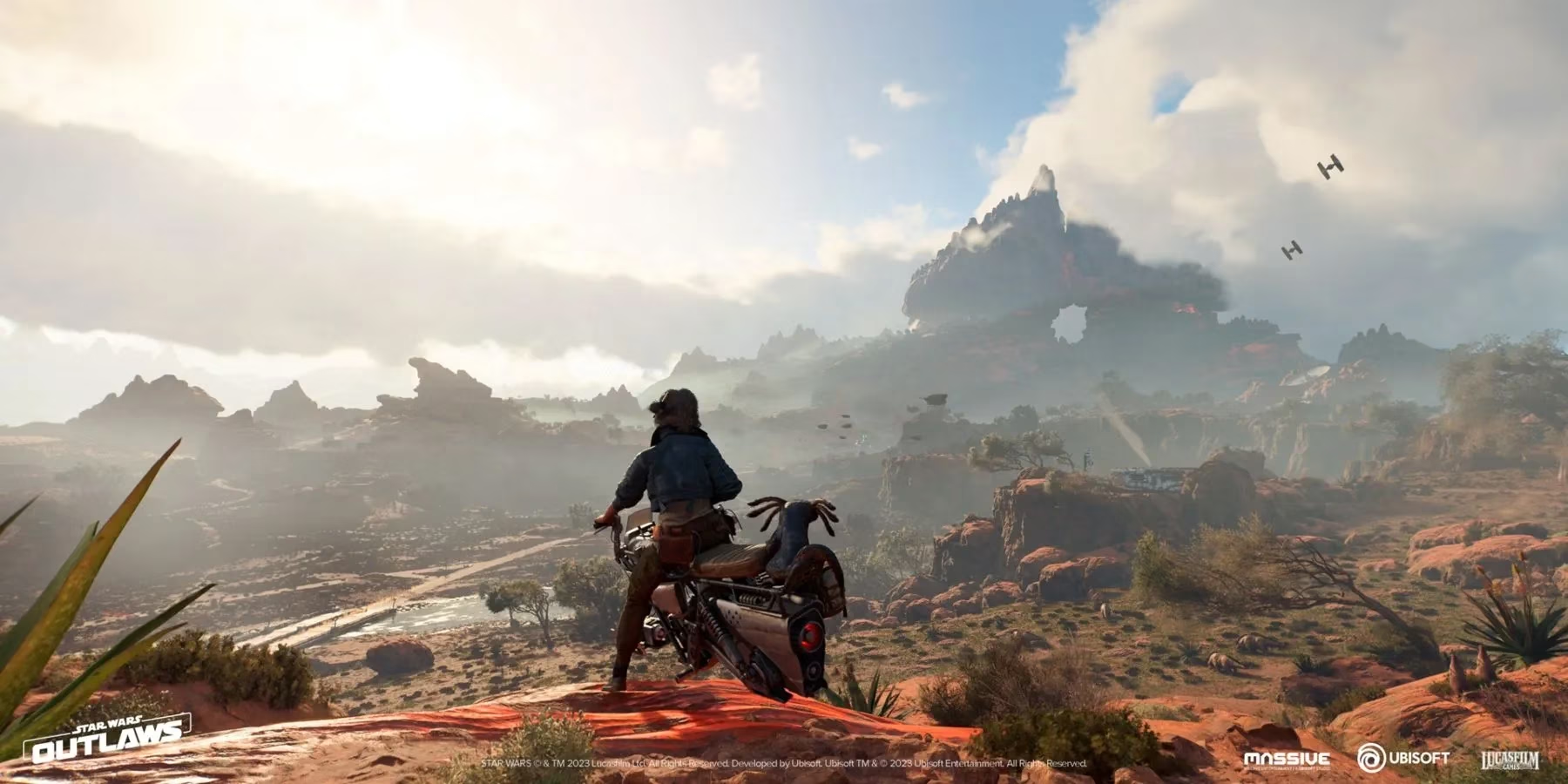
As I sit here in 2025, watching the starships dance across my screen in Star Wars Outlaws, I can't help but reflect on the journey this game has taken from concept to reality. When Ubisoft first announced they were developing a massive open-world Star Wars game, my excitement was tempered with caution—like a moisture farmer on Tatooine watching storm clouds gather on the horizon, unsure whether they'll bring life-giving rain or destructive sandstorms. Ubisoft's signature open-world formula has become as recognizable as Darth Vader's breathing, and the question hanging over Outlaws was whether this familiar structure would feel like a comfortable starship cockpit or a restrictive Imperial interrogation chair.
The Ubisoft Blueprint: A Double-Edged Lightsaber
Having played Ubisoft games for over two decades now, I've come to recognize their design patterns like I recognize the constellations from my home planet. Their open-world formula is like a reliable protocol droid—it follows specific programming patterns that ensure functionality, but sometimes lacks the spark of unpredictability that makes adventures truly memorable. Since Far Cry 3 crystallized this approach back in 2012, we've seen the same basic structure repeated across franchises:
-
🗺️ Watchtower-style progression systems that unlock map sections
-
⚙️ Crafting materials scattered across the landscape like breadcrumbs
-
🎯 Activity icons that populate revealed areas with tasks
-
📊 Gear and equipment systems with incremental upgrades
While this formula created groundbreaking experiences a decade ago, seeing it applied to the Star Wars universe made me nervous. The galaxy far, far away should feel wild and unpredictable, not like a carefully organized Imperial filing system.
Breathing New Life into Familiar Systems
What surprised me most about playing Star Wars Outlaws is how Ubisoft managed to transform their standard formula into something that feels authentically Star Wars. The watchtowers, for instance, are no longer simple climb-and-activate structures. Instead, they've become Imperial comms outposts that require genuine infiltration—each one presenting unique challenges that made me feel like I was actually operating as an outlaw in the Star Wars underworld.

Some of my favorite moments came from these redesigned activities:
| Traditional Ubisoft Element | Star Wars Outlaws Twist |
|---|---|
| Climbing towers | Infiltrating Imperial outposts |
| Generic crafting materials | Salvaging ship parts and contraband |
| Standard side missions | Smuggling runs with real consequences |
| Basic enemy camps | Rival gang hideouts with unique defenses |
The crafting system particularly impressed me—gathering materials no longer feels like busywork when you're salvaging parts to upgrade Kay Vess' ship. Each improvement genuinely changes how you navigate the galaxy, making the collection process feel meaningful rather than obligatory.
The Galaxy as a Playground, Not a Checklist
What Ubisoft understood with Outlaws is that the Star Wars universe is like a cantina full of interesting characters—each corner should hold potential stories, not just checklist items. The open world feels alive in ways that previous Ubisoft games often missed. Random encounters between Imperial patrols and smugglers create dynamic moments that emerge naturally from exploration rather than being marked on your map.
I found myself getting distracted from main missions constantly, but in the best way possible. Helping a group of rebels ambush an Imperial supply convoy or negotiating with a Hutt crime lord for better smuggling rates—these moments felt organic rather than formulaic. The game's structure is like a well-tuned hyperdrive: it provides direction but allows for unexpected discoveries along the way.
A New Hope for Licensed Games
Playing Star Wars Outlaws in 2025 feels like witnessing a turning point for both Ubisoft and licensed games in general. The developers took their established formula and treated it like a Jedi treats the Force—as a foundation to build upon rather than a rigid doctrine to follow. The result is an experience that honors what makes Ubisoft games engaging while embracing what makes Star Wars special.
The game's approach to the Rebellion storyline particularly demonstrates this balance. Instead of making you the central hero of the galactic conflict immediately, it lets you operate in the gray areas—making alliances and enemies based on your actions rather than predetermined story beats. This makes the world feel responsive and alive, like a living ecosystem rather than a theme park ride.
Final Verdict: Formula Transcended
Star Wars Outlaws could have easily been another cookie-cutter open-world game with a Star Wars skin. Instead, Ubisoft used their formula as a starting point and built something that feels both familiar and fresh. The game is like a masterfully restored classic starship—it retains the reliable components that made the original great while incorporating modern innovations that elevate the entire experience.
Having now spent dozens of hours exploring every corner of Kay Vess' journey, I can confidently say that Ubisoft has delivered on the promise of a true Star Wars open-world adventure. They've proven that even the most established formulas can evolve when approached with creativity and respect for the source material. The force is strong with this one.