Star Wars Outlaws PC Requirements in 2026: Minimum, Recommended, High, and Ultra Tiers
Star Wars Outlaws PC requirements: minimum and recommended specs target 1080p 30/60 FPS, with high and ultra tiers pushing 1440p.
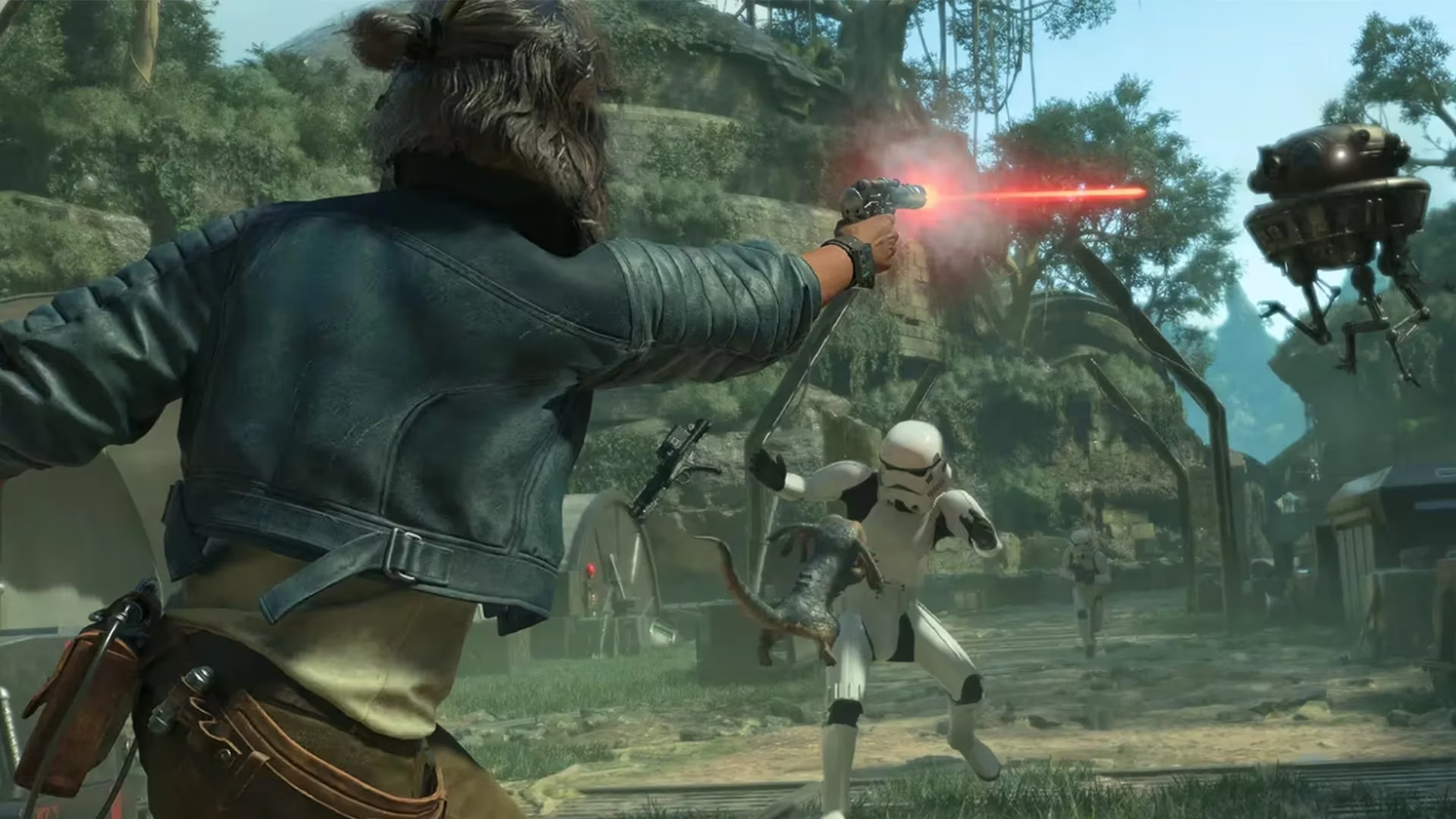
By 2026, Star Wars Outlaws has moved from launch-day anticipation into a settled PC adventure, yet its hardware tiers remain a practical reference for players planning to step into Kay Vess's boots. The game launched on 30 August 2024 and places players in the roguish company of Kay, her furry companion Nix, and the enforcer droid ND-5. For PC players, the central question is unchanged: can the machine handle smooth contracts, space dogfights, and blaster exchanges without turning the experience into a stuttering hologram? The published requirements are less a velvet rope than a weather map: they mark the atmospheric layers in which the game can fly without constant turbulence.
The Minimum Tier: 1080p at 30 FPS
The minimum specification is aimed at 1080p, 30 fps, the Low preset, and an upscaler set to quality. It calls for Windows 10 or 11 with DirectX 12, a GeForce GTX 1660 with 6GB, an AMD RX 5600 XT with 6GB, or an Intel Arc A750 with 8GB and ReBAR enabled. The CPU side lists an Intel Core i7-8700K or an AMD Ryzen 5 3600, alongside 16GB of memory and 65GB of SSD storage.
This is not a luxury ticket. A 30 fps target can make a blaster exchange resemble a lightsaber duel viewed through a strobe-lit sabacc table, so players who value fluidity should look upward. The minimum tier is best understood as an entry point for those who accept a more cinematic, less responsive pace. Given the space dogfights and firefights shown across the game's trailers, the lowest tier may be a stretch for consistently smooth play.
The Recommended Tier: 1080p at 60 FPS
The recommended specification shifts the target to 1080p, 60 fps, the High preset, and an upscaler set to quality. It asks for a GeForce RTX 3060 Ti with 8GB or an AMD RX 6700 XT with 12GB. The CPU recommendation is an Intel Core i5-10400 or an AMD Ryzen 5 5600X, with the same 16GB of memory and 65GB SSD storage. Windows 10 or 11 with DirectX 12 remains the baseline.
This tier is the first genuinely comfortable seat in the house. The pre-launch PC gameplay trailer demonstrated what the recommended specification can produce, and the game has been optimised for Intel 14th-gen processors and the latest GPUs on the market. Ray tracing features affect reflections and textures, while 16:9 display options are available. In practice, the better the CPU, the better the overall performance tends to be. The upscaler set to quality acts as a discreet stagehand, rearranging scenery between scenes so the audience notices the performance rather than the machinery.
High and Ultra Tiers: Moving Beyond 1080p
For players who want 1440p at 60 fps on the High preset, the high tier lists a GeForce RTX 4070 with 12GB or an AMD RX 6800 XT with 16GB. The CPU requirement rises to an Intel Core i5-11600K or an AMD Ryzen 7 5800X. Memory remains 16GB, storage remains 65GB SSD, and the operating system remains Windows 10 or 11 with DirectX 12.
The ultra tier targets 4K at 60 fps on the Ultra preset. It calls for a GeForce RTX 4080 with 16GB or an AMD RX 7900 XTX with 24GB, paired with an Intel Core i7-12700K or an AMD Ryzen 7 5800X3D. Again, 16GB of memory and 65GB of SSD storage are the stated baseline. All tiers assume an upscaler set to quality.
| Tier | Target | GPU | CPU | Memory | Storage |
|---|---|---|---|---|---|
| Minimum | 1080p / 30 fps / Low preset, upscaler quality | GTX 1660 6GB; RX 5600 XT 6GB; Arc A750 8GB with ReBAR on | Core i7-8700K; Ryzen 5 3600 | 16GB | 65GB SSD |
| Recommended | 1080p / 60 fps / High preset, upscaler quality | RTX 3060 Ti 8GB; RX 6700 XT 12GB | Core i5-10400; Ryzen 5 5600X | 16GB | 65GB SSD |
| High | 1440p / 60 fps / High preset, upscaler quality | RTX 4070 12GB; RX 6800 XT 16GB | Core i5-11600K; Ryzen 7 5800X | 16GB | 65GB SSD |
| Ultra | 4K / 60 fps / Ultra preset, upscaler quality | RTX 4080 16GB; RX 7900 XTX 24GB | Core i7-12700K; Ryzen 7 5800X3D | 16GB | 65GB SSD |
What the Tiers Mean in 2026
The storage footprint is notably reasonable for a modern open-world title: 65GB on an SSD across every tier. That makes the game less demanding on library space than many of its contemporaries. The more important divide is frame rate. The minimum tier accepts 30 fps, while the recommended tier aims for 60 fps and is likely to be the sweet spot for most players. The high and ultra tiers are for those chasing sharper resolutions and higher visual presets, and they demand progressively stronger graphics hardware.
In 2026, these figures should be treated as a baseline rather than a guarantee. Driver updates, game patches, display settings, and background software can all shift the experience. Players should verify current patch notes and GPU driver releases before assuming a specific frame rate. Even so, the original tier structure remains a useful compass: it shows where the game is likely to run, where it is likely to shine, and where the hardware may begin to feel like a hyperdrive pushed past its safety margin. For Kay Vess's scattered contracts and Nix's mischievous interventions, the recommended tier is the most sensible starting point, while the high and ultra tiers are reserved for those who want the galaxy rendered with extra polish.