Star Wars Outlaws: The Controversy of Jabba's Paywall and My Thoughts on Modern Gaming
Star Wars Outlaws and the Jabba the Hutt DLC controversy highlight Ubisoft's divisive pricing, sparking fierce community backlash in 2026.
As I settle into my gaming chair here in 2026, I can't help but reflect on the whole Star Wars Outlaws situation. It feels like just yesterday when the internet was buzzing about that Jabba the Hutt DLC mission controversy. Ubisoft really stepped into a nest of angry mynocks with this one. I remember reading the spokesperson's response to IGN, trying to explain that Jabba would still be part of the main story, but that exclusive "Jabba's Gambit" mission would remain locked behind special editions or the season pass. The community backlash was immediate and fierce—people weren't just disappointed, they felt like the galaxy far, far away was being sectioned off and sold piece by piece.
Let me break down what really bothered me about this whole situation. First, the pricing structure felt like navigating an asteroid field blindfolded:
The Pricing Tiers That Caused Uproar:
-
Base Game: $70
-
Special Editions: $109.99 to $129.99
-
Exclusive Jabba Mission: Only in special editions/season pass
-
Season Pass for single-player game: Additional cost
What really stung was discovering that ND-5, that intriguing droid commando we saw in trailers, had this whole backstory with Jabba that we couldn't experience without paying extra. The mission "Jabba's Gambit" sounded fascinating—a deep dive into the Hutt's criminal underworld, a chance to see how debts are collected in that brutal universe. But locking it away felt like being handed a beautifully wrapped present only to find the best toy inside requires another purchase to actually play with.
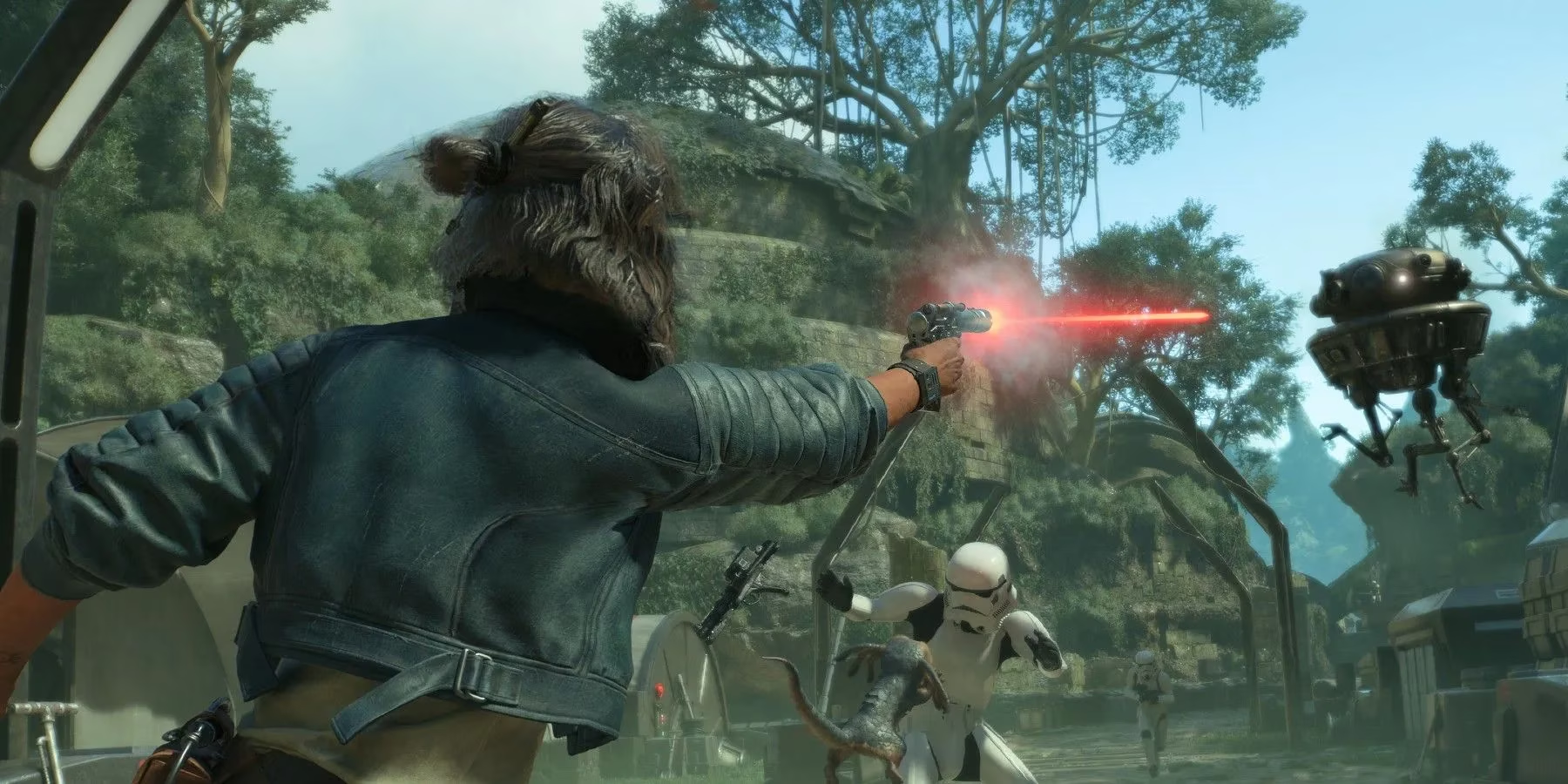
Now, here's where my perspective gets interesting. The Ubisoft spokesperson made a fair point—Jabba and his syndicate ARE part of the main story. You'll encounter them regardless. But that exclusive mission? That's like being invited to a cantina but told you can only sit at the premium tables if you pay extra. The atmosphere is the same, the music plays, but the best conversations happen just out of earshot.
What made this controversy particularly bitter was the timing. Day-one DLC for a full-priced game feels like buying a speeder bike only to discover the hyperdrive is sold separately. And let's talk about that season pass for a single-player experience! That decision was about as popular as a protocol droid at a Sarlacc pit party.
The Irony That Still Amuses Me:
-
Game advertised as complete single-player experience ✅
-
Season pass announced anyway ❌
-
Physical copies require internet installation ❌
-
Premium content locked behind premium prices ❌
Looking back from 2026, I see this controversy as a turning point. The gaming community's reaction was like a carefully calibrated thermal detonator—it didn't just explode randomly, but targeted specific practices that had been building up for years. We weren't just mad about one mission; we were tired of feeling like every aspect of our hobby was being monetized.
Yet, I have to admit something. When I finally played Star Wars Outlaws (yes, I caved and got the special edition), I found myself enjoying Kay Vess's journey through the Outer Rim. The game itself was like a well-worn smuggler's jacket—familiar in all the right places, with just enough new stitching to make it interesting. The open world Massive Entertainment created had moments of genuine magic, where I forgot about the controversy and just enjoyed being a scoundrel in the Star Wars universe.
But that Jabba mission? Playing "Jabba's Gambit" felt bittersweet. The content was good—really good, actually. ND-5's story added depth to the criminal underworld that the main story only hinted at. Yet every time I completed a objective for the Hutt crime lord, I couldn't shake the feeling that this experience was like finding a rare Kyber crystal, only to be told you need a premium lightsaber hilt to actually use it.
The real tragedy, in my opinion, was how this controversy overshadowed what Star Wars Outlaws did right. Kay Vess proved to be a compelling protagonist—not another Jedi or Rebel, but someone navigating the gray areas of the galaxy. The gameplay systems, when they worked, created authentic smuggler fantasies. But the conversation kept circling back to monetization.
From my 2026 vantage point, I see how this moment changed things. Publishers became more cautious about day-one DLC. The backlash was so severe that it became a case study in what NOT to do. Yet, the fundamental tension remains: games cost more to make than ever, but players have limits on what they'll accept.
What I've learned from this whole experience is that transparency matters more than ever. Had Ubisoft been clearer from the start about what the special editions contained, or better yet, included the Jabba mission as post-launch free content to build goodwill, the reception might have been completely different. Instead, they created a situation where even players who enjoyed the game felt somewhat conflicted about their purchase.
The Star Wars Outlaws controversy reminds me that in gaming, as in the Outer Rim, reputation is everything. Once you lose the trust of the community, it's harder to recover than escaping a Star Destroyer's tractor beam. Here's hoping future developers and publishers remember that the force of player goodwill is stronger than any paywall they might construct.