Star Wars Outlaws: Why Kay Vess Should Keep the Rebellion at Arm's Length
Star Wars Outlaws offers a thrilling, morally ambiguous adventure, letting players navigate the galaxy's underworld as a cunning outlaw.
In the sprawling, star-flecked chaos of the galaxy, not every hero wields a lightsaber. As we look ahead, the anticipation for Star Wars Outlaws remains palpable, even years after its initial buzz. The game promised, and delivered, a perspective sorely needed in the franchise: the gritty, morally ambiguous life of a regular person trying to make a living—or just survive—under the Empire's heavy boot. While Jedi and Sith battles are epic in scale, there's something profoundly relatable, and frankly, more thrilling, about navigating the underworld with nothing but wits and a blaster.
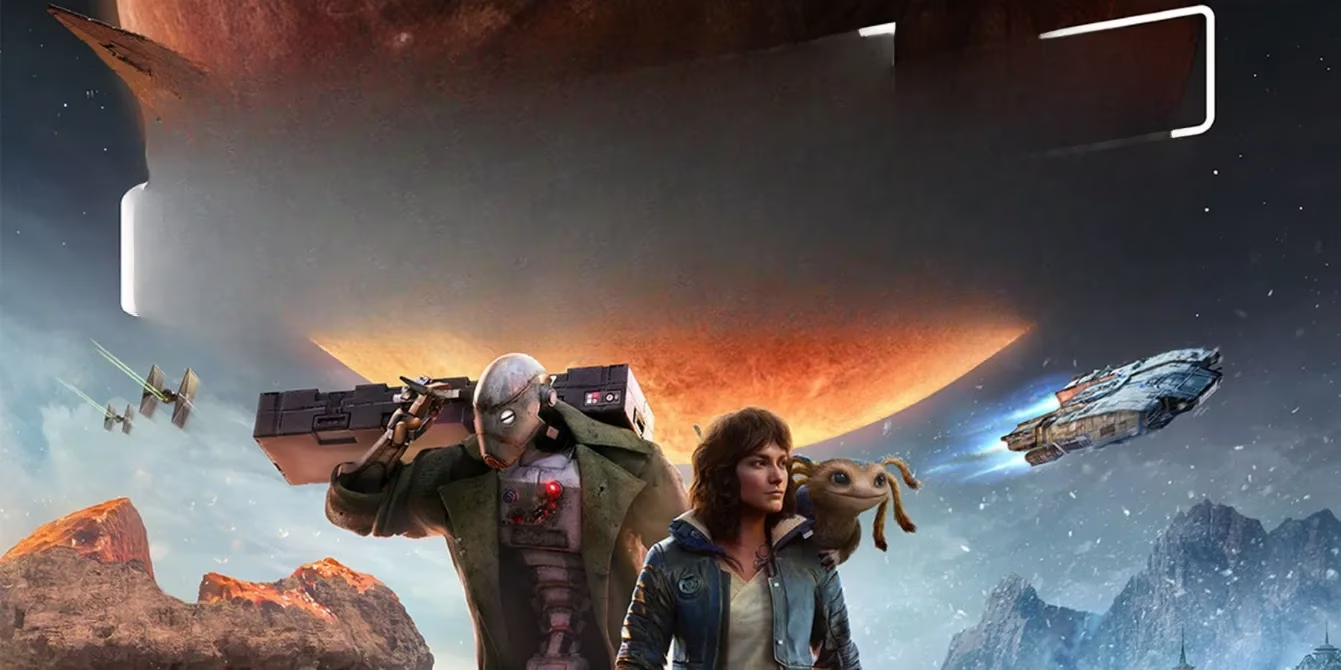
This shift towards the mundane, the everyday scoundrel, is what makes Outlaws such a standout. Think about it: the most gripping Star Wars stories in recent memory haven't been about force-chokes and saber duels, but about the sheer grind of resistance. The Disney+ series Andor was a masterclass in this, showing the slow, painful, and often thankless work of building a rebellion from the ground up. It was all about regular folks, not space wizards. Outlaws follows that brilliant blueprint. You step into the worn boots of Kay Vess, an adept thief whose primary concerns are credits, safe passage, and not getting disintegrated by the wrong syndicate. She's no Cal Kestis; she can't deflect blaster bolts with a laser sword. Her toolkit is subterfuge, charm, and a healthy dose of audacity.
The Beauty of the Moral Gray Area
One of the game's greatest strengths is its commitment to moral ambiguity. In a universe typically painted in stark blacks and whites (Rebels good, Empire bad), Outlaws revels in the gray. The player isn't thrust into the role of a destined hero for the Rebellion. Instead, you're a freelancer in a galaxy of oppressors, opportunists, and true believers. This setup is a breath of fresh air! It allows for role-playing that feels authentic. Are you going to help that Rebel cell for a princely sum? Or sell their location to an Imperial officer for an even bigger payout? The choice is yours, and neither feels inherently wrong from the perspective of a scrappy outlaw just trying to get by. This blurred sense of ethics is the game's secret sauce.
-
Freedom Over Allegiance: The game wisely avoids forcing a "Join the Rebellion!" narrative down your throat. Your relationship with them is transactional, cautious, and entirely player-directed.
-
Survival First, Ideology Second: Kay's primary drive is survival, not galactic liberation. This grounds the story and makes every decision weighty.
-
The Scoundrel's Code: It channels the classic Han Solo archetype—the lovable rogue who's in it for himself—but crucially, it doesn't demand you follow his eventual heroic arc.

Why the Rebellion Must Remain an Arm's-Length Affair
This is non-negotiable for the game's identity. The moment Kay Vess becomes a card-carrying member of the Rebel Alliance, the unique magic of Outlaws evaporates. She becomes another soldier in a familiar war, and the compelling tension of navigating between the Empire and various crime syndicates like the Hutt Cartel or Crimson Dawn loses its edge. The Rebellion should be a faction you can work with, sure, maybe even respect, but not one you automatically join.
Keeping that distance is what makes the world feel real and dangerous. In the grind of the Outer Rim, idealism is a luxury few can afford. The game's narrative power comes from asking: "What does a person have to do to survive in a galaxy this brutal?" Forcing a clean, heroic path betrays that central question. Players should never feel compelled to choose the light side. Sometimes, the most interesting choice is the selfish one, the pragmatic one, the one that keeps your ship fueled and your name off Imperial bounty lists.
A Lasting Legacy in the Star Wars Pantheon
Looking back from 2026, Star Wars Outlaws carved its niche by daring to be different. It proved that the most captivating stories aren't always about the chosen ones with magic powers, but about the nobodies in the crowd, scheming their way to the next score. By letting Kay Vess maintain a reserved, business-like relationship with the Rebellion, the game honored its core premise: the galaxy is a tough place, and sometimes, the only side you can truly be on is your own. It's a lesson in narrative restraint that other franchises would do well to learn. In the end, Outlaws wasn't about saving the galaxy; it was about saving your own skin, and in doing so, it gave us one of the most authentic and engaging slices of Star Wars life ever coded.