Why Star Wars Outlaws Was a Beautiful Mess I Couldn't Stop Playing
Star Wars Outlaws' early magic fades into a repetitive open-world grind, with shallow faction systems and lackluster space travel.
There are moments, especially when I first dropped into the neon-slick streets of Canto Bight, where Star Wars Outlaws felt like a childhood dream come to life. The air smelled of grilled street food, and the clatter of Kessel Sabacc chips from a back-alley cantina pulled me in like a magnet. I’m not even embarrassed to say I once spent forty minutes just playing that card game while the main quest waited patiently. That initial city buzz hits like a shot of Corellian whiskey—warm, promising, and full of shady possibility. Kay Vess, the scrappy thief I was now controlling, fit right in.
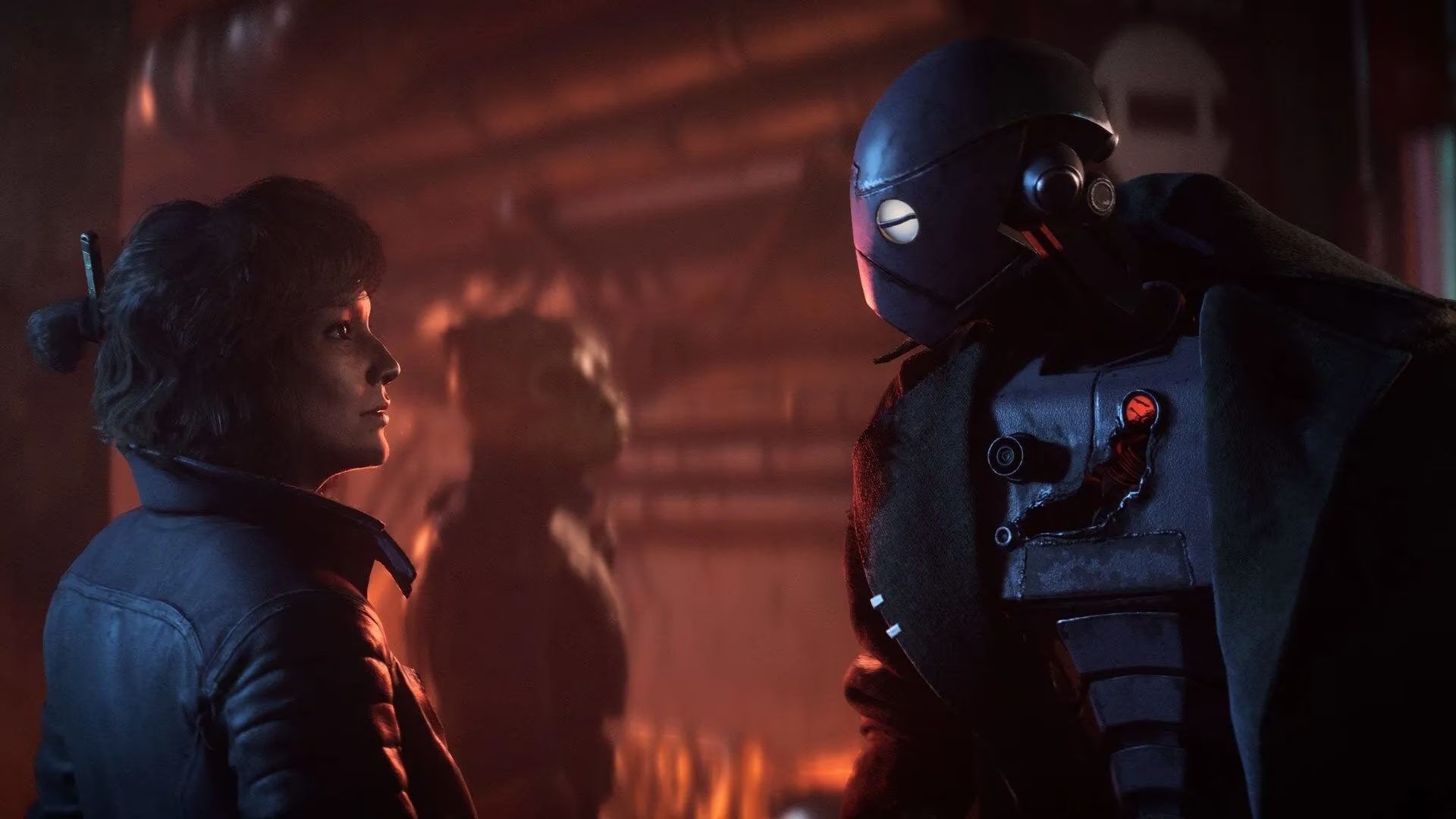
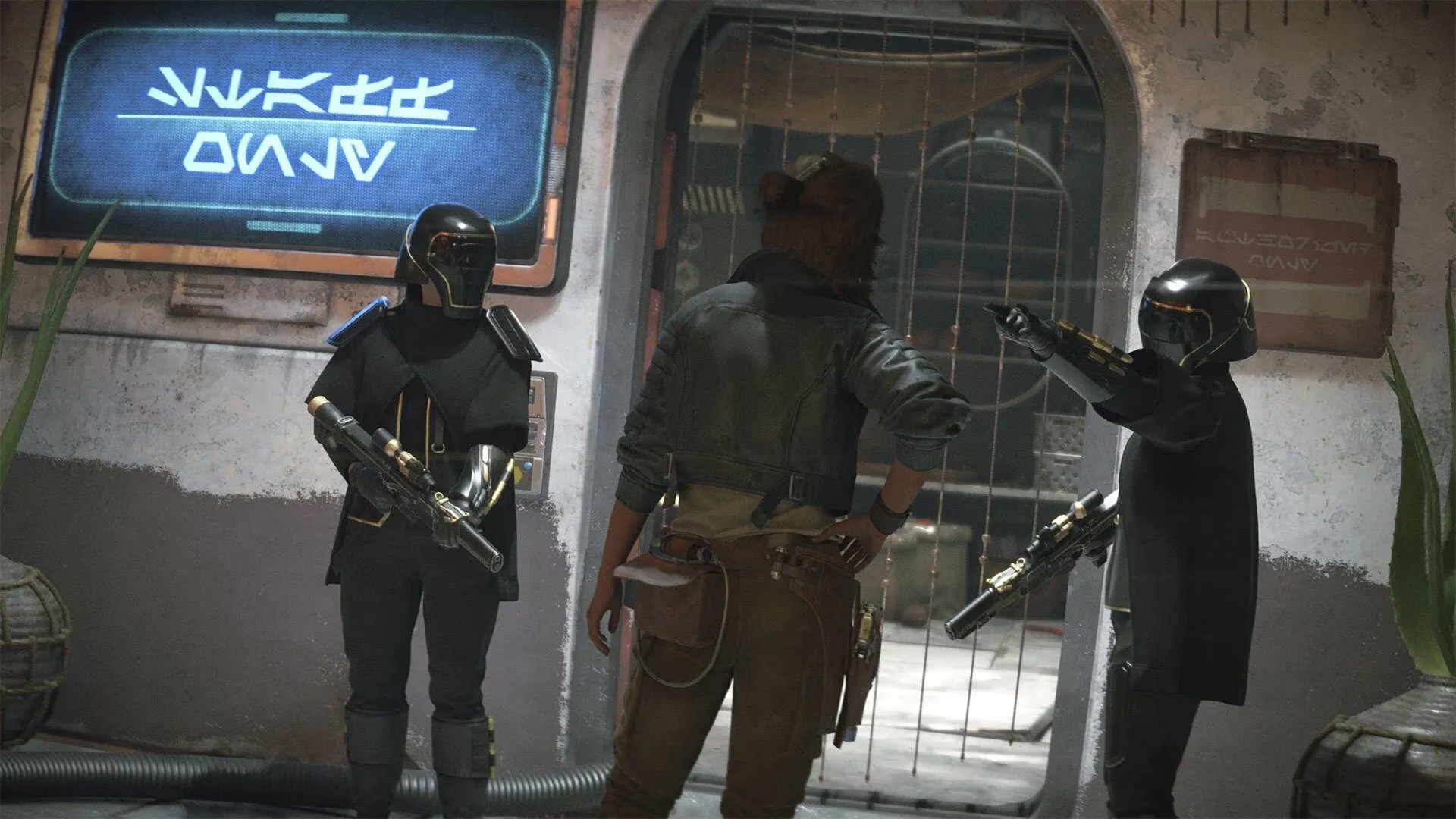
The early hours are pure magic. Eavesdropping on rival smugglers in a crowded cantina, palming a keycard from a distracted guard, then slinking into a heavily guarded vault—these moments made me feel like the galaxy’s most underrated criminal. I was planning my own little heists, really getting into Kay’s head. And Nix, that adorable little merqaal companion? I kept him busy stealing credits from distracted Stormtroopers while I soaked in the atmosphere. The game teased a world where being an outlaw meant more than just shooting stuff. It meant listening, planning, and surviving on wit alone.
But then I left the city.
I don’t know how else to put this, but the moment I stepped into the open-world plains and rocky canyons, something inside the game just... deflated. The vibrant criminal fantasy suddenly turned into a checklist simulator. Oh look, another enemy outpost to clear. Another sensor tower to climb. Another crate of crafting materials I’d forget about ten seconds later. I mean, come on—did I accidentally boot up a Far Cry mod?
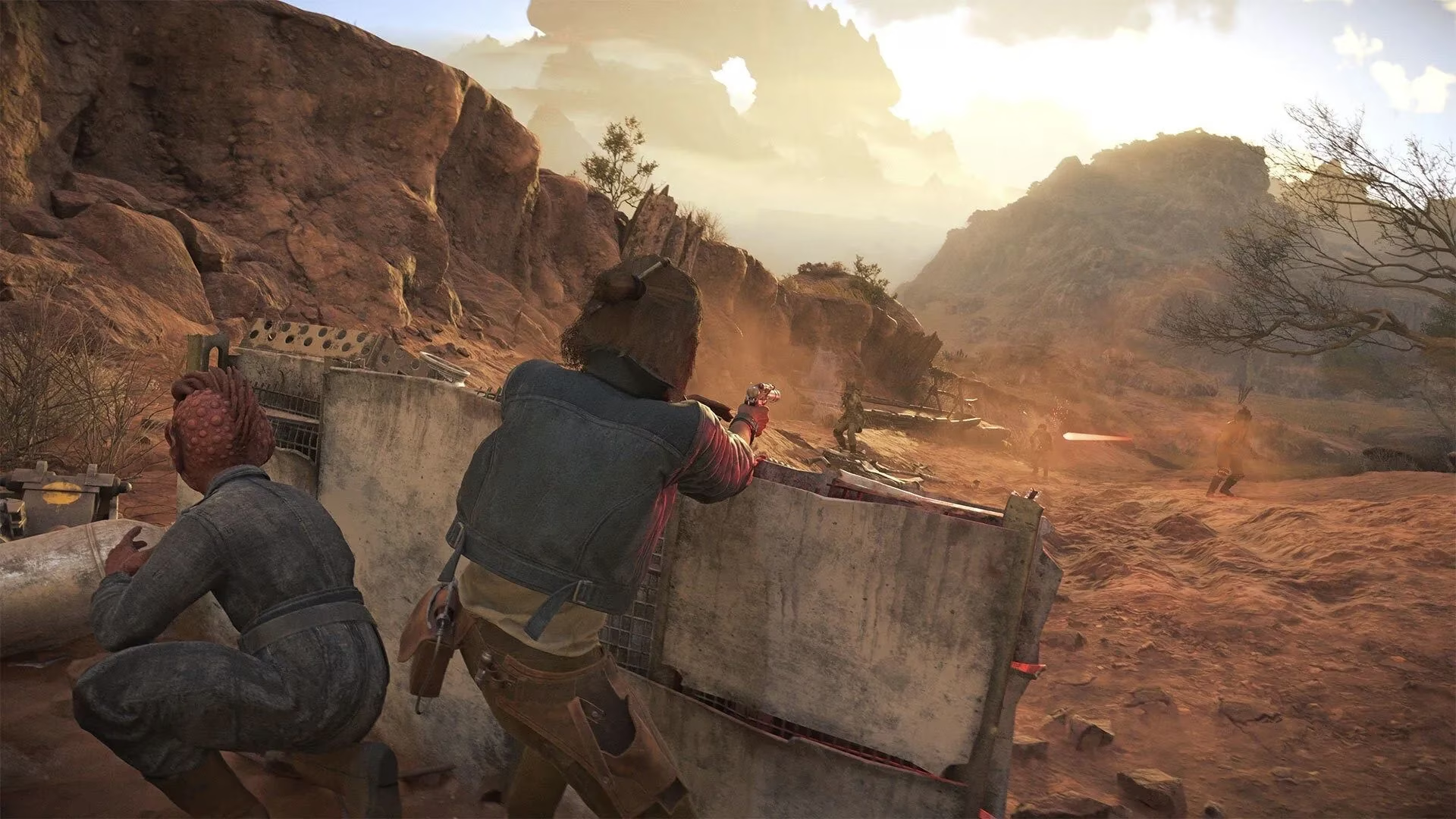
The faction system tried to breathe life into the grind. I could juggle my reputation with the Pykes, Crimson Dawn, the Hutts, and the Ashiga Clan. In theory, being best buddies with one syndicate would close doors with another. In practice? I ran a few boring delivery errands that barely dented my standing, and before I knew it, all four groups loved me. No sweat, no tough choices, just a lot of “go here, grab this” missions that felt like reading the same page of a book over and over. The tension I was promised never arrived. And those broker jobs? I swear I delivered the same cargo to the same empty container twice, once for the Pykes and once for their sworn enemies. I literally rode the exact same path, and nobody at the faction headquarters seemed to notice.
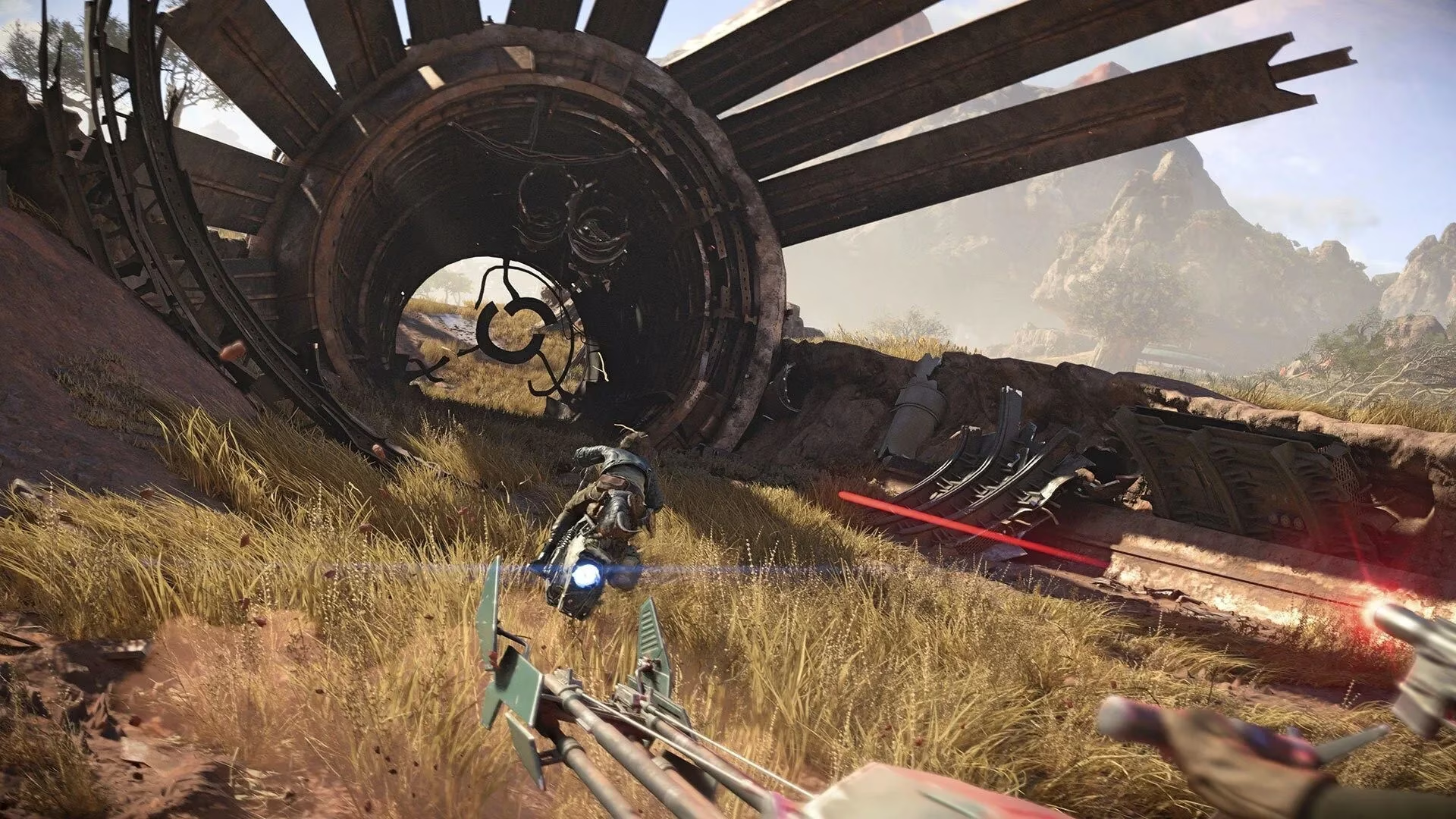
Space travel, I hoped, would break the monotony. Ha. Piloting the Trailblazer felt like trying to steer a drunk bantha through zero gravity. The combat was disorienting, the controls stiff, and enemy ships looked like specks of dust I could barely track. After the mandatory tutorial, I breathed a sigh of relief—no more space stuff. For the next twenty hours, the game agreed with me. Then, literally in the final mission, Outlaws threw me into a chaotic dogfight with zero prior warning. I sat there, staring at my minimally upgraded ship, completely unready. It was as if the game suddenly demanded I had been practicing something I’d been allowed to ignore the entire time. Rude, and honestly kind of insulting.
Yet, I kept playing. I kept chasing the illusion that something deeper would click. The Expert system replaced traditional XP with character-based quests; I had to find grizzled specialists who taught Kay new tricks like handling heavy weapons or drawing extra Kessel Sabacc cards. It felt fresh for about five minutes. After that, I realized none of those fancy skills even mattered. I never touched grenades. I forgot the Adrenaline slow-motion ability existed. Stealth was pointless unless a mission forced me to avoid alarms, which basically meant I could waltz through every base, blast first, and still complete objectives without a scratch.
Nix? Adorable. A highlight. But also just a gameplay gimmick dressed up in fur. Lockpicking turned into a tiny rhythm game and hacking became a game of Mastermind, both feeling like someone desperately trying to make “press X to interact” look fresh. They didn’t hurt, but they certainly didn’t elevate the increasingly hollow loop of shoot, loot, repeat.
And the story. Oh, the wasted potential. An Ocean’s Eleven-style heist in the Star Wars underworld, led by a charming rogue trying to erase a death mark—sign me up. The setup had me genuinely excited, especially when I met the stoic droid ND-5 and faced off against Sliro’s ruthless syndicate. But by the third act, the whole premise evaporated into a cloud of safe, predictable Star Wars clichés. The dangerous, gray morality I had been soaking in gave way to black-and-white heroics that felt focus-tested to death. Kay deserved a better script.
Truth is, I don’t hate open-world games. I love losing myself in a lived-in space. But Outlaws doesn’t trust me to explore naturally. It forcefully shoves side content in my face, content that all leads to the same mound of crafting materials and credits I never needed. I triggered the Empire’s Wanted system exactly once, and the Death Troopers couldn’t even catch me because I had already zoomed off on my speeder bike. The whole thing just felt... unnecessary. A jumble of systems that exist only to make the game look huge.
Strip away the filler, and there’s a tight ten-hour adventure in here, one where the cities breathe and the heists thrill. But this version of Star Wars Outlaws is a bloated, beautiful mirage. I wanted to be a cunning outlaw. Instead, I ended up as a glorified courier with a cute pet. My credits? Saved for something that truly respects the scoundrel fantasy—maybe just a physical Kessel Sabacc set and a quiet evening with friends.